Why I Still Practise Every Day
Written by Abdul Kalam, Pilates instructor · For educational purposes only; not medical advice.
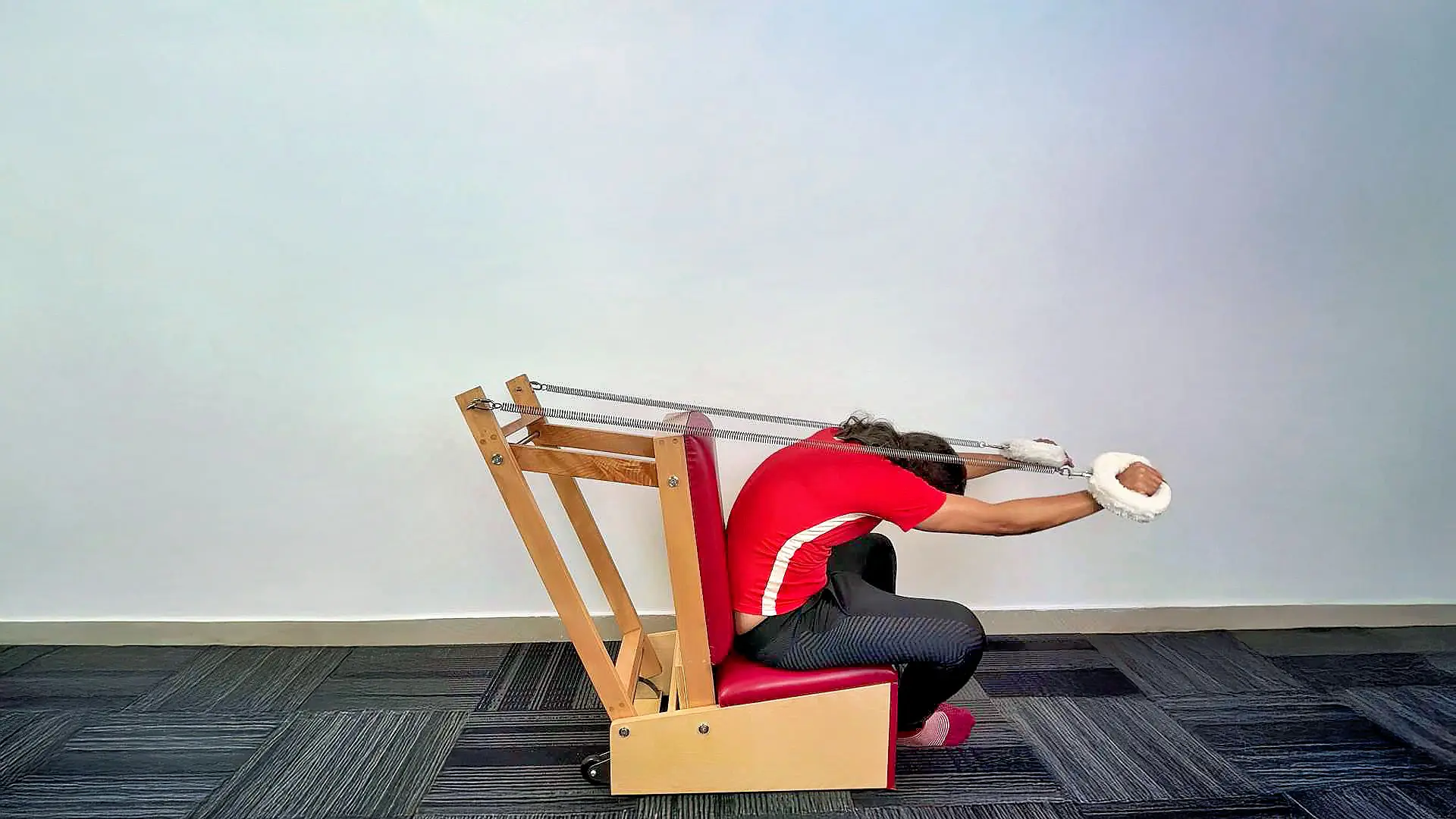
I practise Pilates every day, usually for about an hour. The practice is not recorded as a target or presented as proof of discipline. It has simply become part of how my day and my teaching are organised.
I began practising before I intended to teach. That order still matters to me. My first relationship with Pilates was as a student trying to understand the work physically. Teaching came later.
Why I Began
I started Pilates in 2016 because the method held my attention in a way other forms of movement had not. The exercises required more than exertion. They required coordination, control, breath, memory, timing, and an awareness of how one part of the body related to another.
I kept returning because there was always more to understand. An exercise could remain recognisably the same while the experience of doing it changed. A cue that had once meant very little could become useful months later. A movement that initially depended on effort could gradually become better organised.
When I later trained and began teaching, I did not want that student relationship with the work to disappear. Teaching gave me another way to engage with Pilates, but it did not replace practising it.
Teaching and Practising Are Different Activities
During a client’s session, my attention is directed outwards. I am watching position, timing, breathing, the apparatus, the springs, and the client’s response. I am making decisions about what to continue, what to adjust, and what to leave for another time.
During my own practice, the information comes from inside the movement. I feel where a spring begins to change the demand, where a transition becomes unclear, where breath supports the exercise, and where unnecessary effort appears. That experience does not tell me exactly what another person is feeling, but it gives me a physical reference for the work I am asking them to do.
The two activities therefore inform each other without becoming the same. Observing clients develops my teaching eye. Practising develops my own relationship with the exercises and apparatus.
A Physical Reference for Cueing
A cue can be technically correct and still be unhelpful to the person hearing it. Regular practice gives me a place to examine the language I use.
I can test whether a cue produces the organisation I intend, whether it creates unnecessary tension, whether it is too complicated, or whether the timing is wrong. Sometimes practising confirms what I have been teaching. Sometimes it shows me that a simpler instruction would be clearer.
This does not mean that every cue comes directly from my own body. Clients differ in proportion, history, mobility, strength, coordination, and response. My physical experience is one reference among several; observation and communication remain necessary.
The Practice Changes From Day to Day
My practice is not identical every day. I may work on the Reformer, Cadillac, Chairs, Barrels, Mat, or smaller apparatus. The choice depends on what I am studying, what I have been teaching, and what my own body is presenting.
Some days the work is straightforward. On other days, an exercise feels less available than it did previously, or a familiar pattern requires more attention. I do not treat that variation as a failure. It is part of the information practice provides.
It also reminds me that a client will not arrive in exactly the same condition each time. Regularity does not remove daily variation. It gives the teacher and client a longer record against which that variation can be understood.
Practice Does Not Replace Training
My own practice is not a substitute for teacher training, continuing education, record-keeping, safety procedures, or professional judgement. Being able to perform an exercise does not by itself establish that I can teach it appropriately to another person.
Practice gives me embodied information. Training provides structure, repertoire, precautions, progression, and a framework for teaching. Observation tells me what is happening in front of me. Communication tells me what I cannot see. These sources have to work together.
Remaining a Student
I continue to attend workshops, events, and further training where they are relevant to the work I teach. I also return to the material from earlier training and to the exercises themselves.
Being taught again is useful. It places me in the position my clients occupy: listening, attempting something unfamiliar, being corrected, and recognising that an instruction may take time to understand physically.
Continuing study does not mean changing the studio’s approach every time I encounter a new idea. It means examining what I know, testing my assumptions, and deciding carefully what belongs within the work I have committed to teach.
What This Means for a Client
A client should not interpret my daily practice as a promise that every lesson will be perfect or that my own physical experience will match theirs. It means something narrower: I maintain an active relationship with the method rather than teaching it only from memory or certification.
That relationship informs how I demonstrate, cue, observe, select apparatus, and discuss the work. It also keeps me aware that exercises which look clear from the outside may feel quite different when performed.
My own practice does not replace training, observation, or professional judgement. It gives me an additional physical reference for the work I teach.