Understanding the Core Pilates Apparatus
Written by Abdul Kalam, Pilates instructor · For educational purposes only; not medical advice.
When most people think of Pilates, they picture a Reformer. The long wooden or aluminium frame with its sliding carriage, springs, and straps has become the dominant image of the method in popular culture. Joseph Pilates designed something more comprehensive. His studio contained a complete system of apparatus, each piece developed to address the body from a different angle and at a different level of demand.
The Major Apparatus
The Reformer
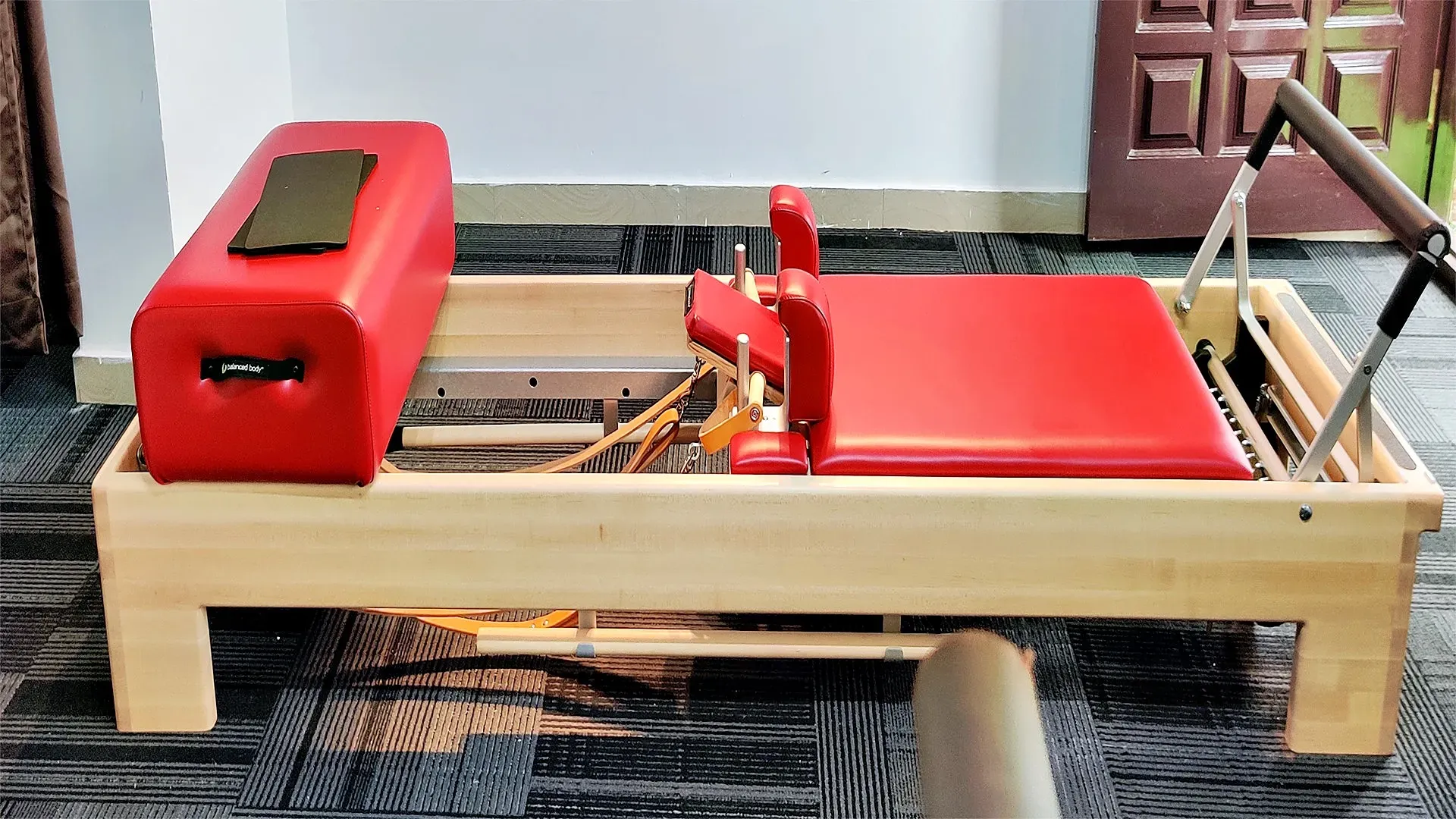
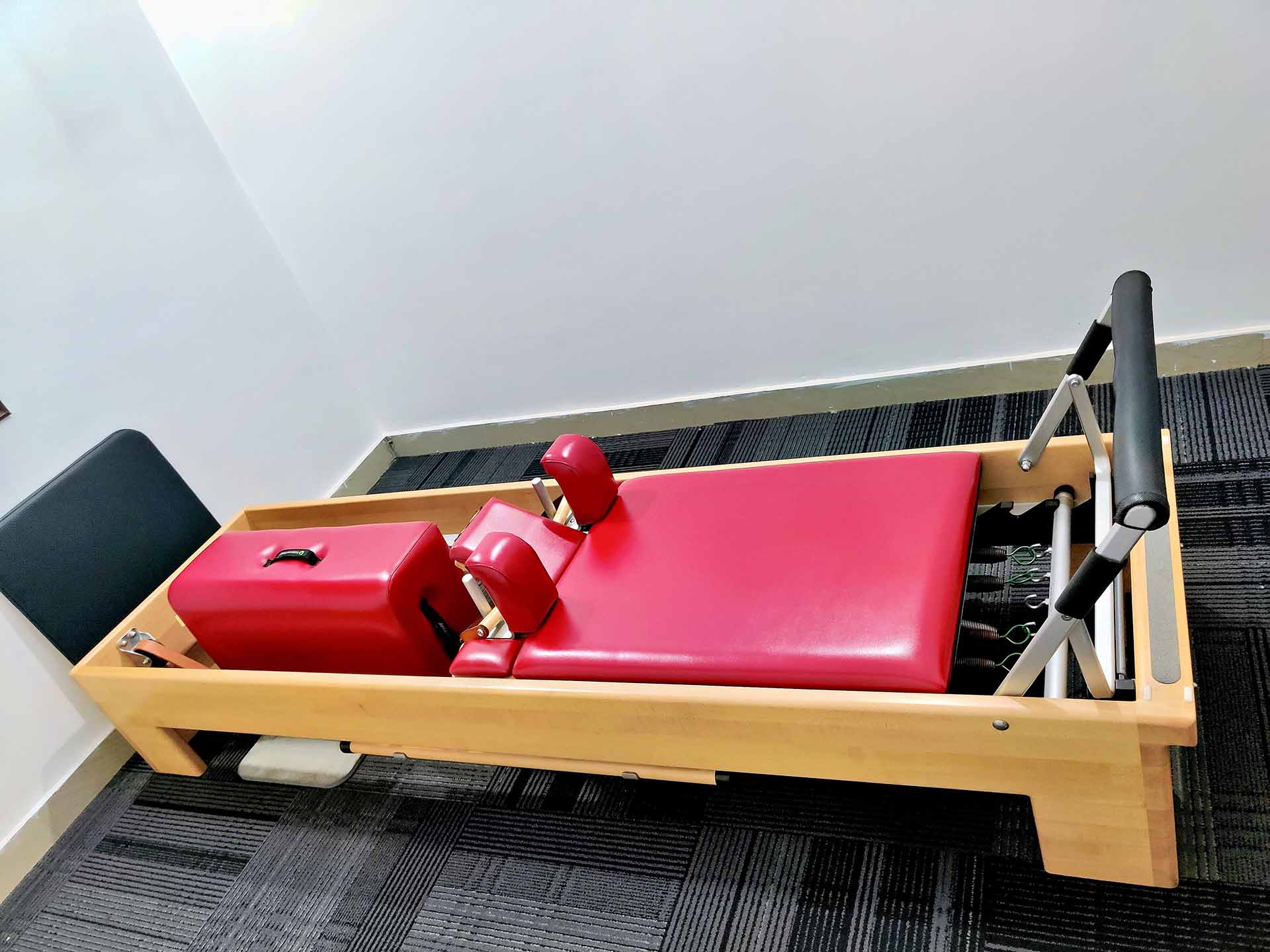
The Reformer is the foundation of the apparatus system. A sliding carriage moves along a frame against adjustable spring resistance, allowing the body to work in a supported, horizontal environment. The springs can be configured to assist or resist movement depending on the exercise, making the Reformer adaptable to a wide range of capacity levels. Its horizontal orientation reduces the postural demand of upright work, making it particularly useful early in a practice or when rebuilding movement patterns. The feedback from the moving carriage makes movement quality immediately apparent — asymmetries and compensations are visible in how the carriage travels.
The Cadillac
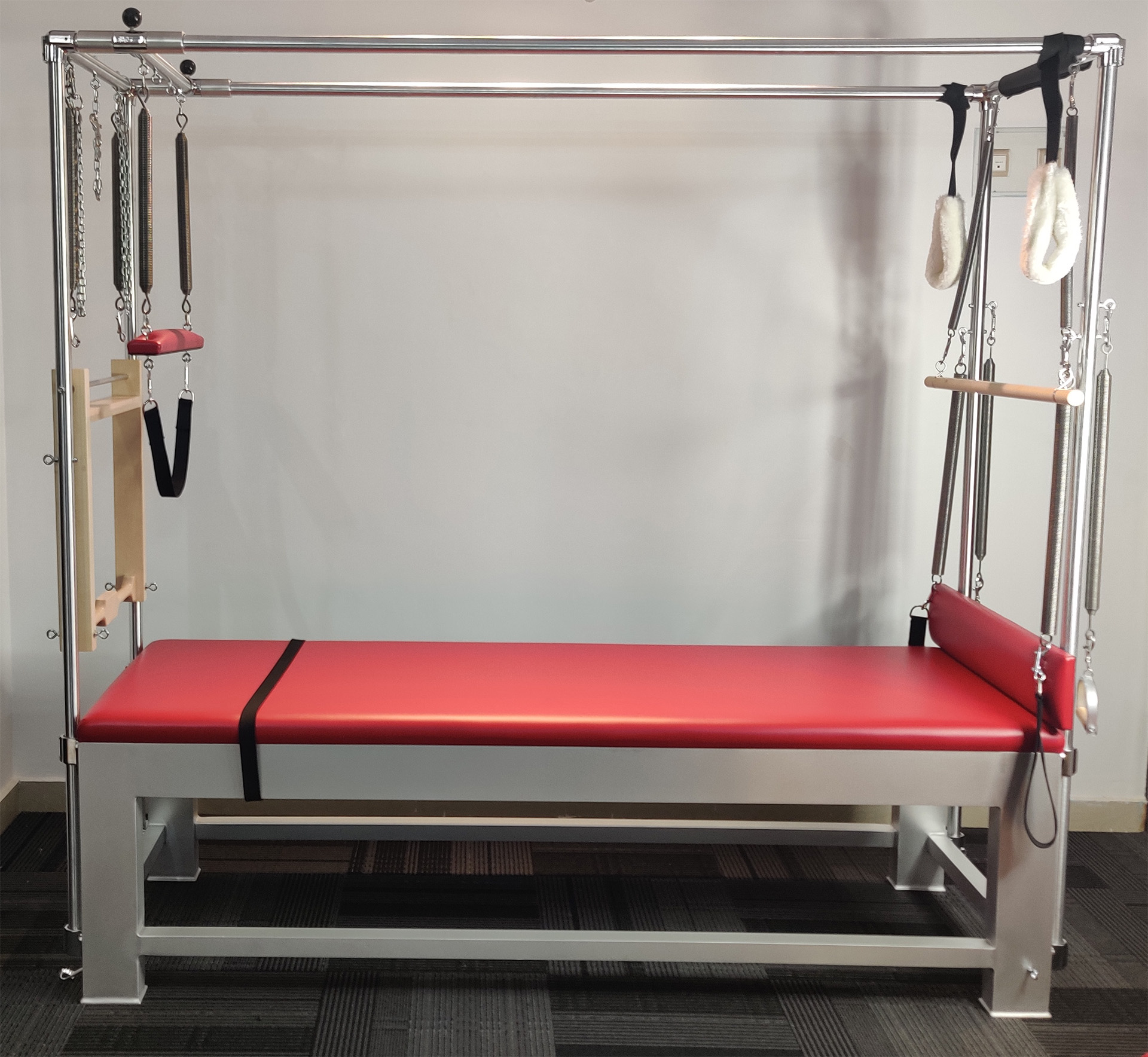
The Cadillac — sometimes called the Trapeze Table — is the most versatile piece of apparatus in the system. A large padded table with a metal frame overhead, it supports an extensive range of spring, bar, and suspension attachments that allow work in vertical, horizontal, and inverted positions. Spinal traction, suspension work, and exercises that would be inaccessible on other apparatus are all possible on the Cadillac. It is particularly valuable for spinal mobility and for clients managing specific physical limitations.
The Wunda Chair
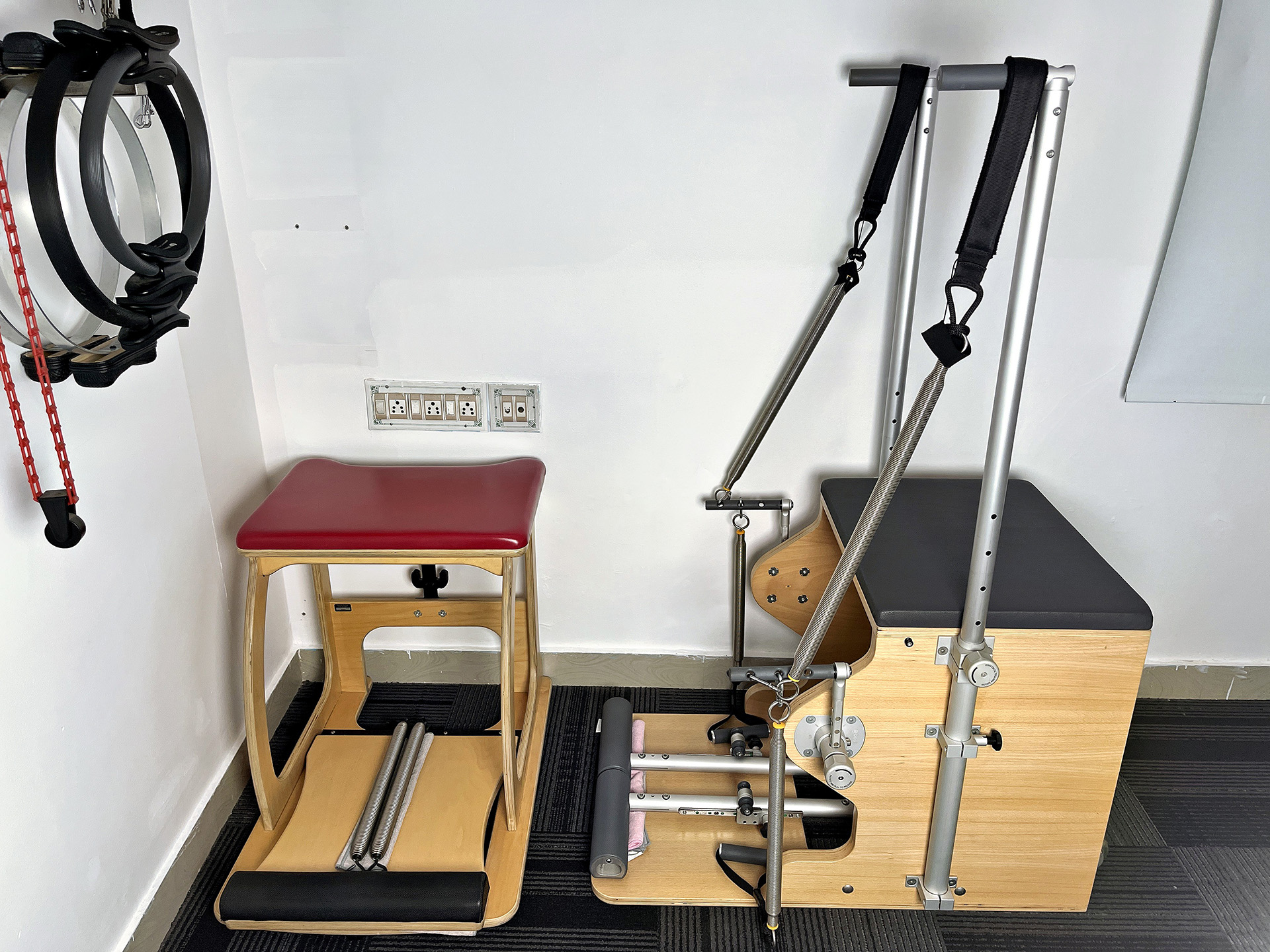
The Wunda Chair is compact but demanding. A small padded seat with one or two spring-loaded pedals, it requires the body to generate and control movement with minimal external support. The exercises on the Chair challenge balance, coordination, and stability in ways that the larger apparatus does not. Standing, kneeling, and seated work on the Chair develops functional strength — the kind that transfers into how the body organises itself in everyday movement.
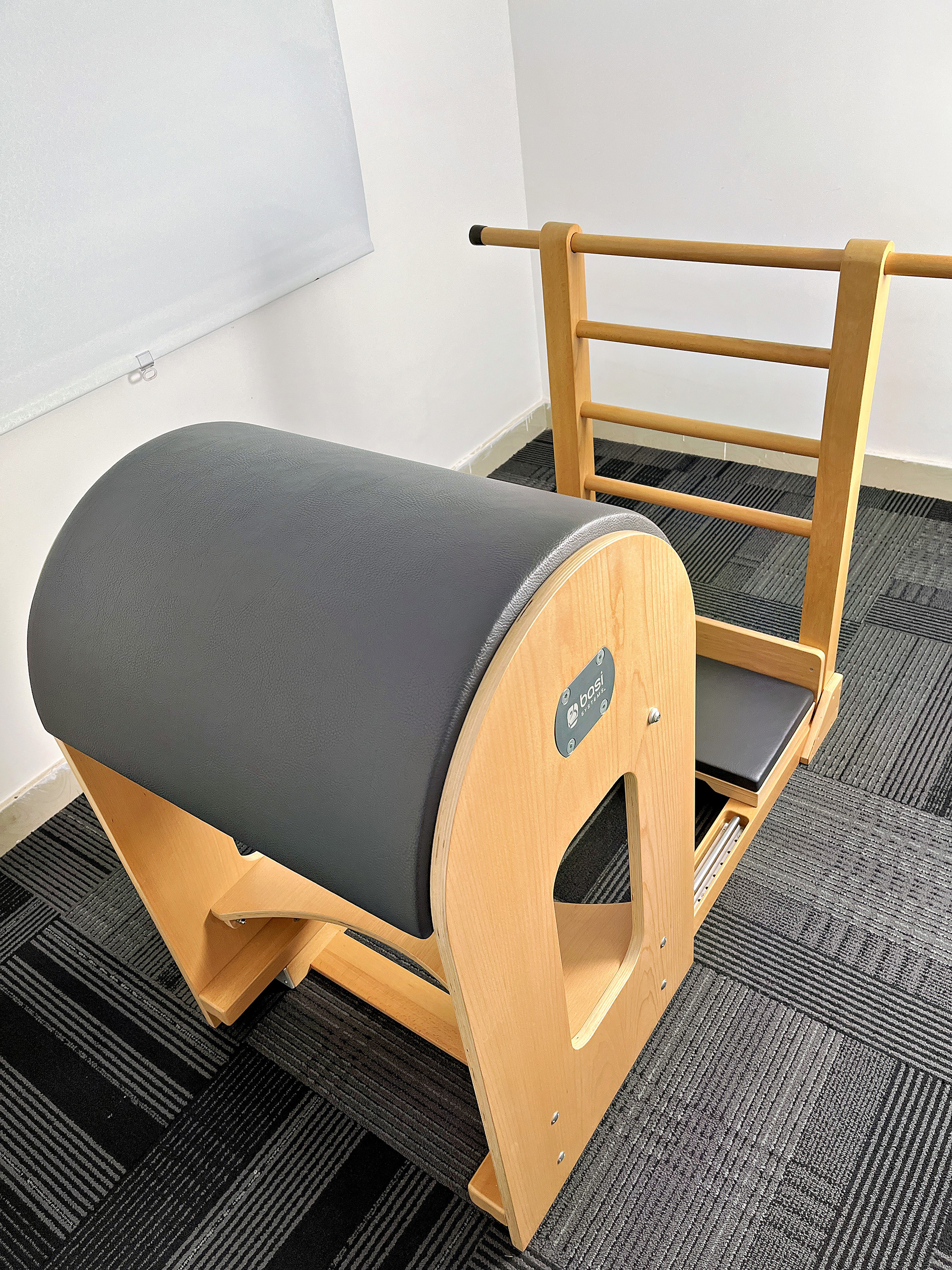
The Ladder Barrel
The Ladder Barrel combines a curved barrel surface with a ladder-like structure of rungs. It is primarily used for spinal extension and lateral work — movements that are difficult to access with appropriate support on other apparatus. Back extension over the barrel develops spinal mobility and strength in positions that desk-based posture typically restricts. The Barrel is often where clients first experience the full range of spinal movement.
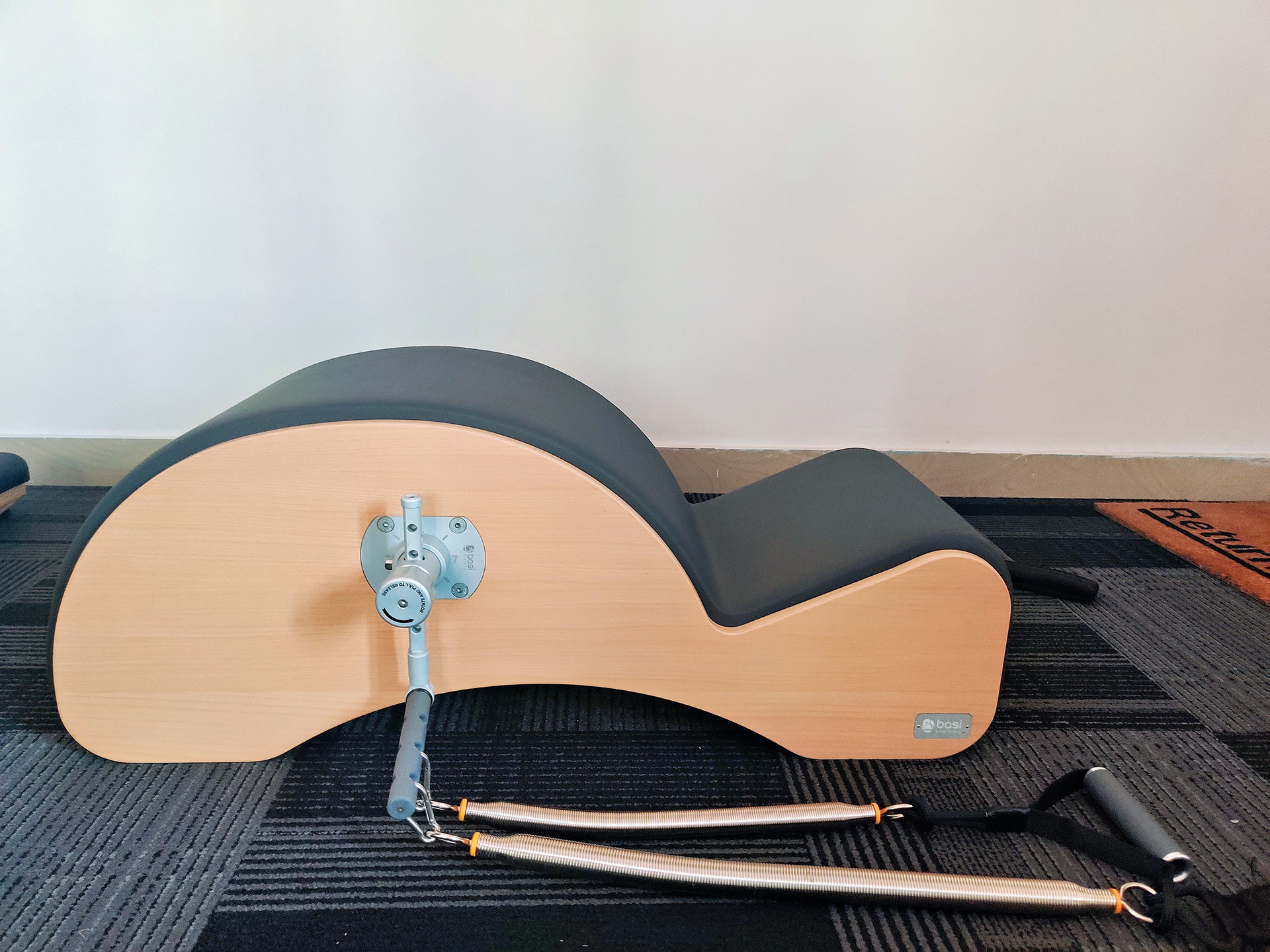
The Spine Corrector
The Spine Corrector is a smaller curved apparatus designed to support and develop spinal articulation. It is particularly effective for opening the chest and thoracic spine — the area most compressed by prolonged sitting — and for developing the sequential spinal movement that is central to the Pilates method.
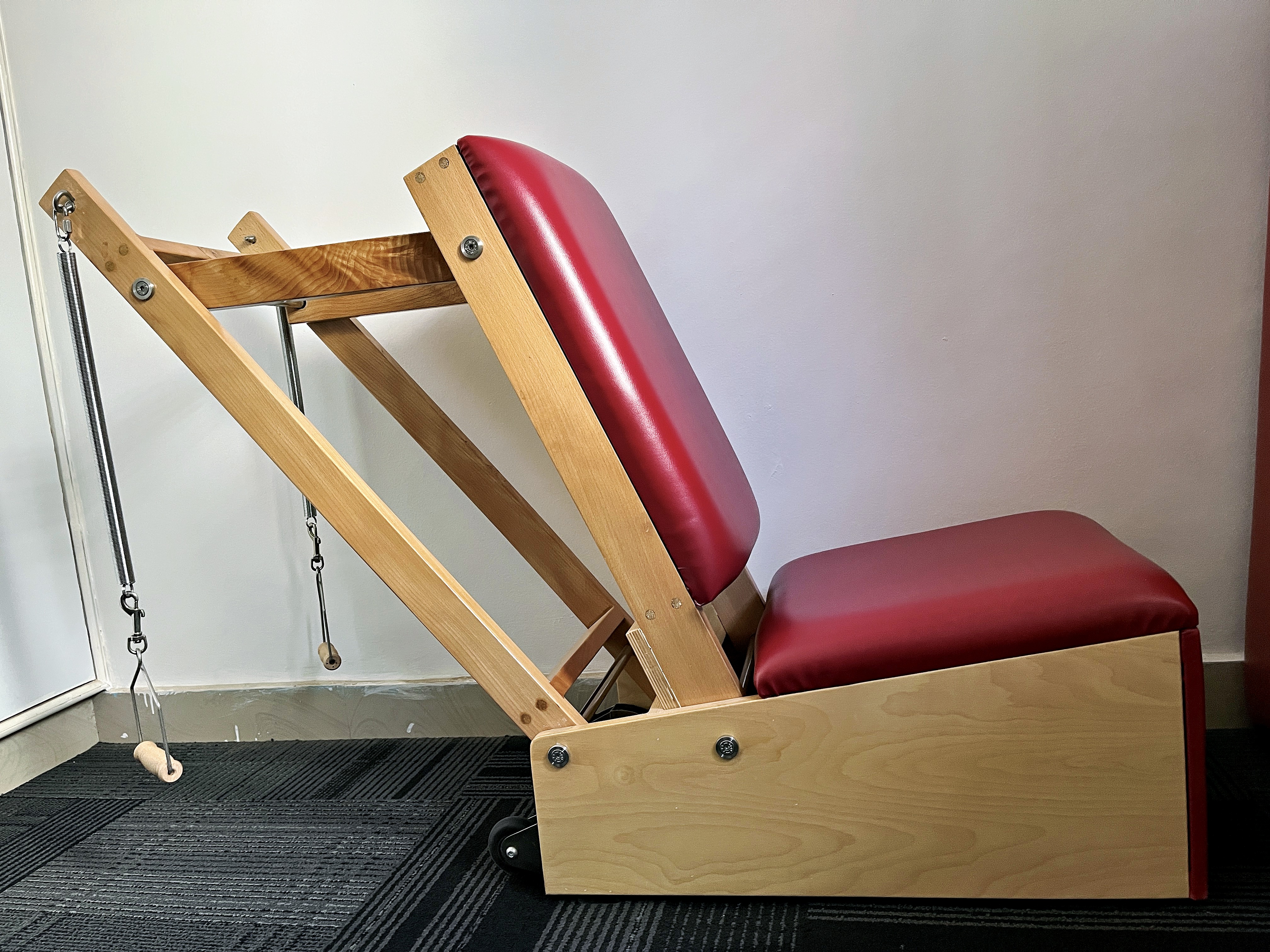
The Arm Chair (Baby Chair)
The Arm Chair, often referred to as the Baby Chair, is known for its delicate spring resistance and supportive backboard. The backboard helps the practitioner maintain spinal alignment while focusing on arm and shoulder engagement. The angle of the board can also be adjusted to increase the challenge. This apparatus is particularly useful for developing arm strength, supporting spinal alignment, and assisting individuals with shoulder or neck concerns.
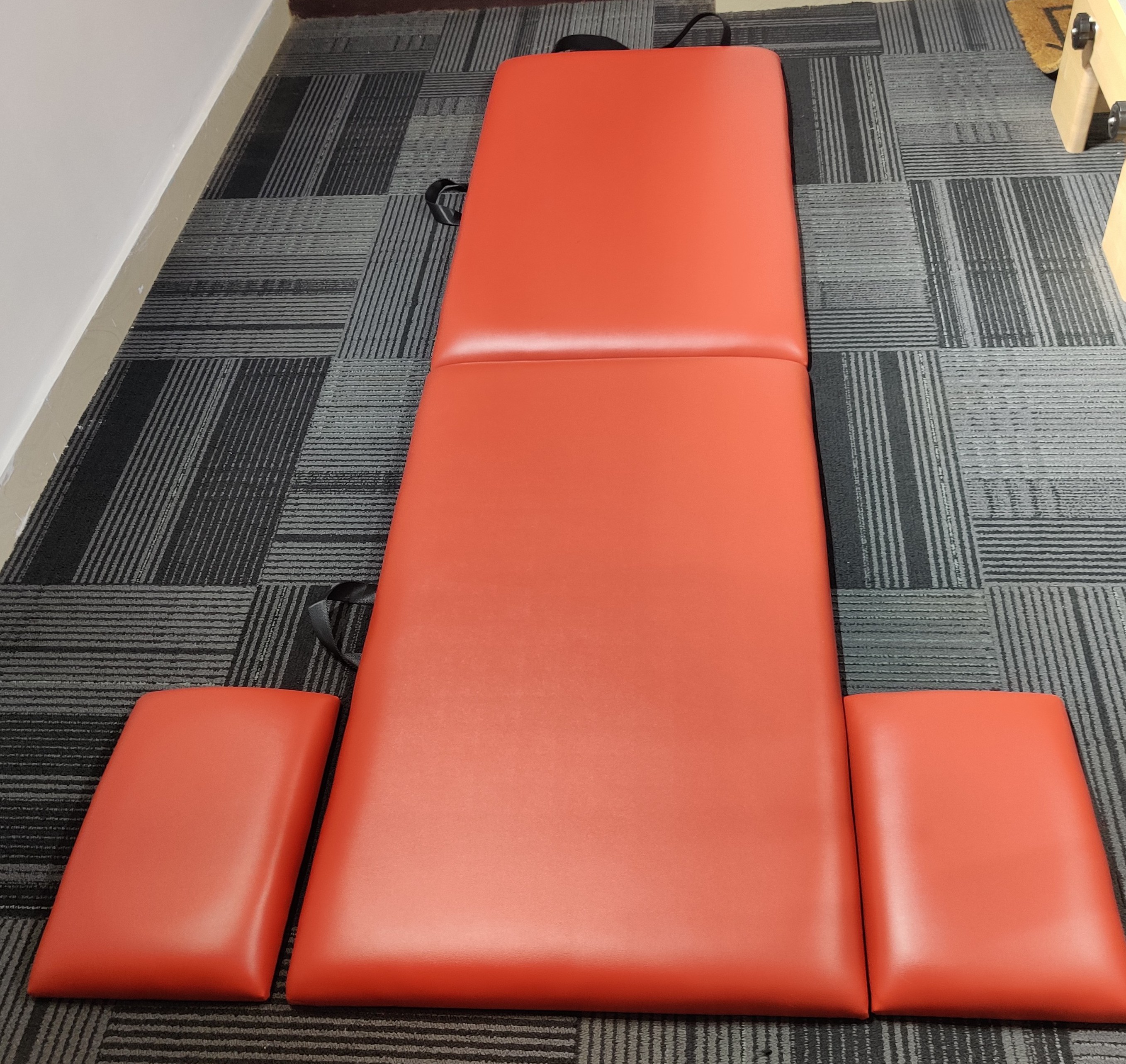
The Pilates Mat
The Pilates Mat remains one of the most fundamental components of the method. Unlike standard exercise mats, traditional Pilates mats are slightly raised and often include features such as a foot strap to assist exercises like the Roll Up, handles or dowels for supporting inverted movements, and side moon boxes used for seated stretching. Mat work challenges the practitioner to generate control using only bodyweight against gravity. In many ways, it represents the purest expression of the method.
Why the Complete System Matters
Each piece of apparatus in the Pilates system addresses the body in a way the others cannot fully replicate. The Reformer develops supported strength and movement coordination. The Cadillac introduces range and orientation that the Reformer cannot offer. The Chair demands functional stability. The Barrels develop spinal mobility and extension.
In a full-apparatus studio, a session can draw from any of these based on what a client's movement profile requires on that day. The work is not limited by the range of a single machine. This complementarity is what Joseph Pilates designed the system around — the apparatus were not developed as alternatives to one another but as components of a complete movement education environment.
The Pilates apparatus system was designed as a whole. Each piece has a specific role. Together they create an environment for comprehensive, progressive movement education that no single machine can replicate.