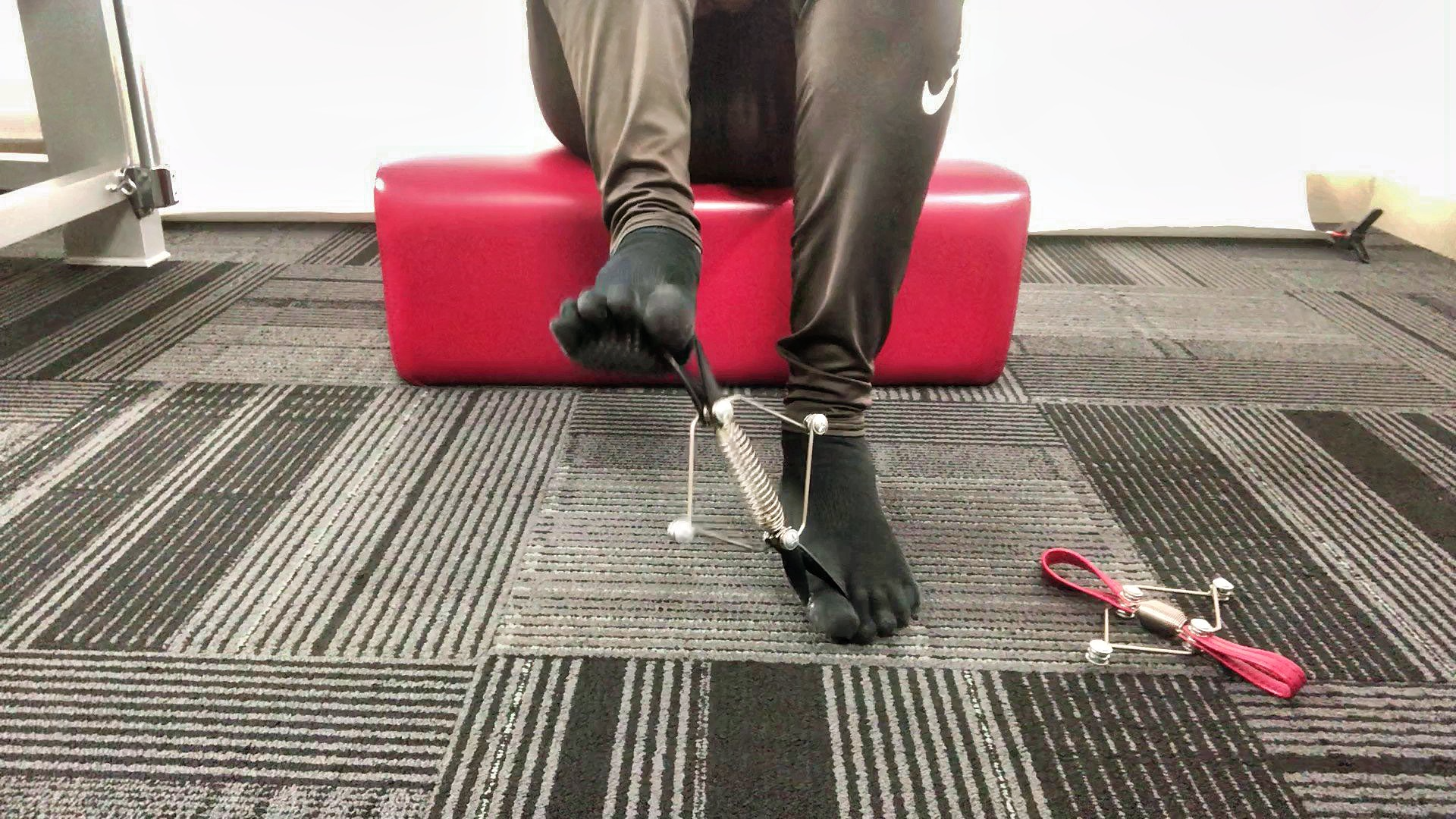
Small Apparatus in Pilates: How Precision Tools Refine Movement
Written by Abdul Kalam, Pilates instructor · For educational purposes only; not medical advice.
While the Reformer and Cadillac are the most recognizable icons of the Pilates studio, the true ingenuity of Joseph Pilates often appears in his smaller inventions. These tools are not decorative props. They are biofeedback instruments designed to refine coordination, improve alignment, and eliminate inefficiencies in the body's movement patterns. From the soles of your feet to the strength of your grip, these seemingly peculiar gadgets address the subtle details that larger apparatus might overlook.
In many ways, they are the fine-tuning instruments of Pilates.
The Small Barrel
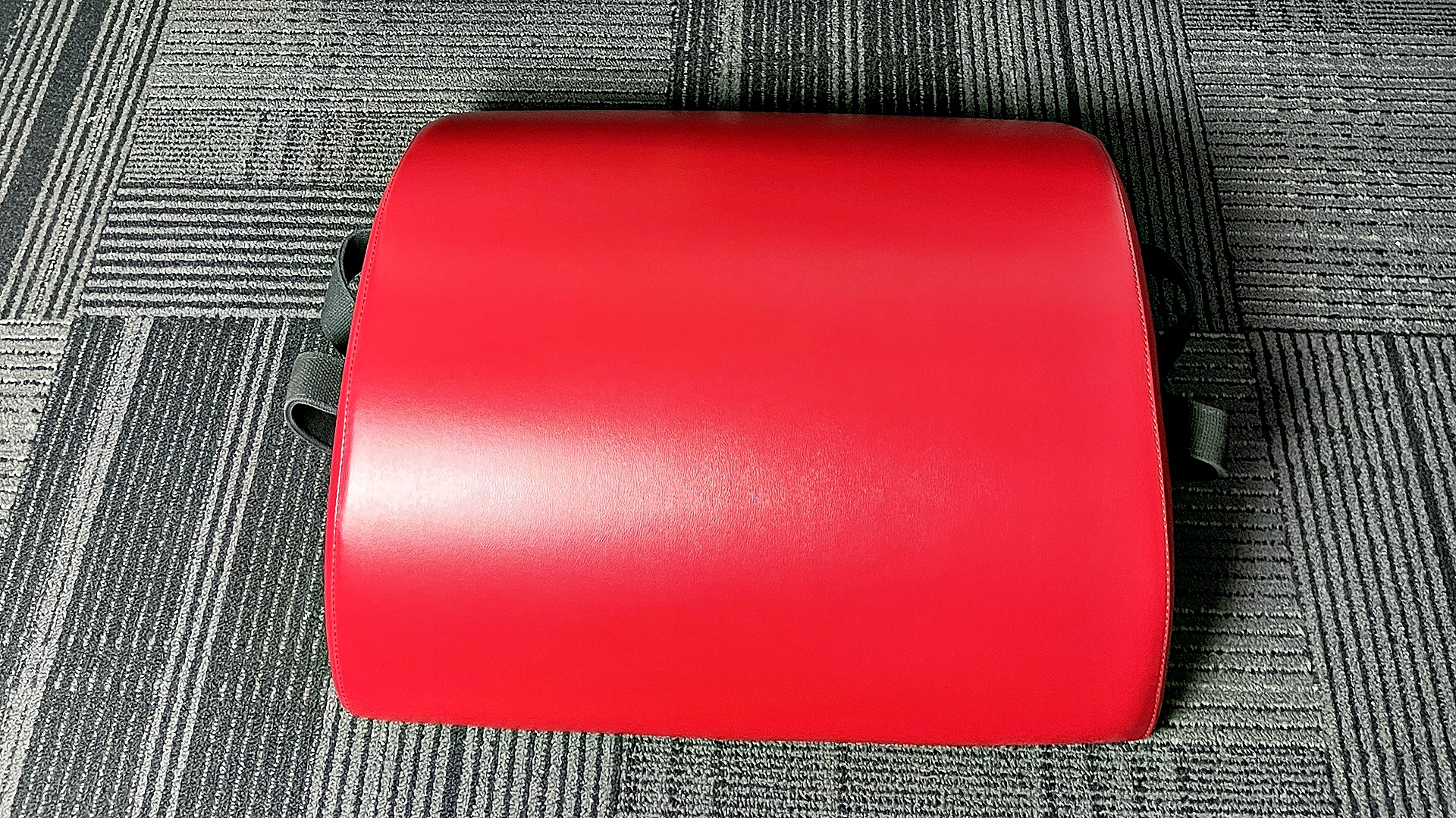
The Small Barrel, sometimes called the Mini Barrel, functions without springs and relies entirely on bodyweight and leverage. Its compact curvature supports movements that promote spinal flexion and extension, thoracic mobility, and upper back release. Compared with larger barrel apparatus, the smaller radius can be especially beneficial for individuals experiencing stiffness in the neck and upper back.
The Foundation: Tools for the Feet
Foot Corrector & Toe Corrector
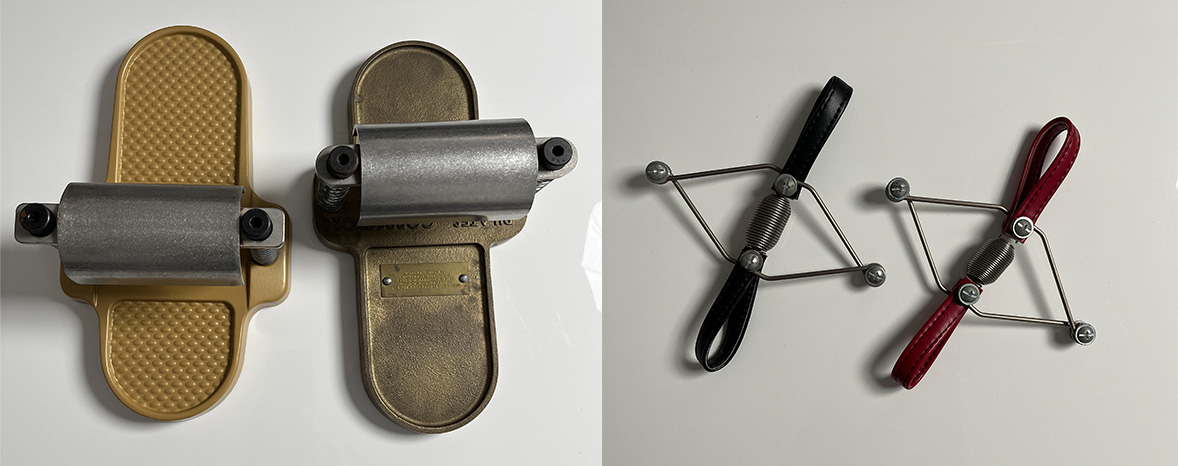
Joseph Pilates placed enormous importance on the health of the feet. The Foot Corrector was among the earliest apparatus he developed. These devices strengthen the arches of the feet and help restore alignment of the toes. The Toe Corrector in particular supports alignment of the toes and arches while improving the structural integrity of the foot. When the feet function properly, the entire kinetic chain benefits — proper foot alignment influences knee tracking, hip stability, and spinal posture. By strengthening the foundation of the body, these tools help restore efficient movement patterns from the ground up.
The 2×4 Board
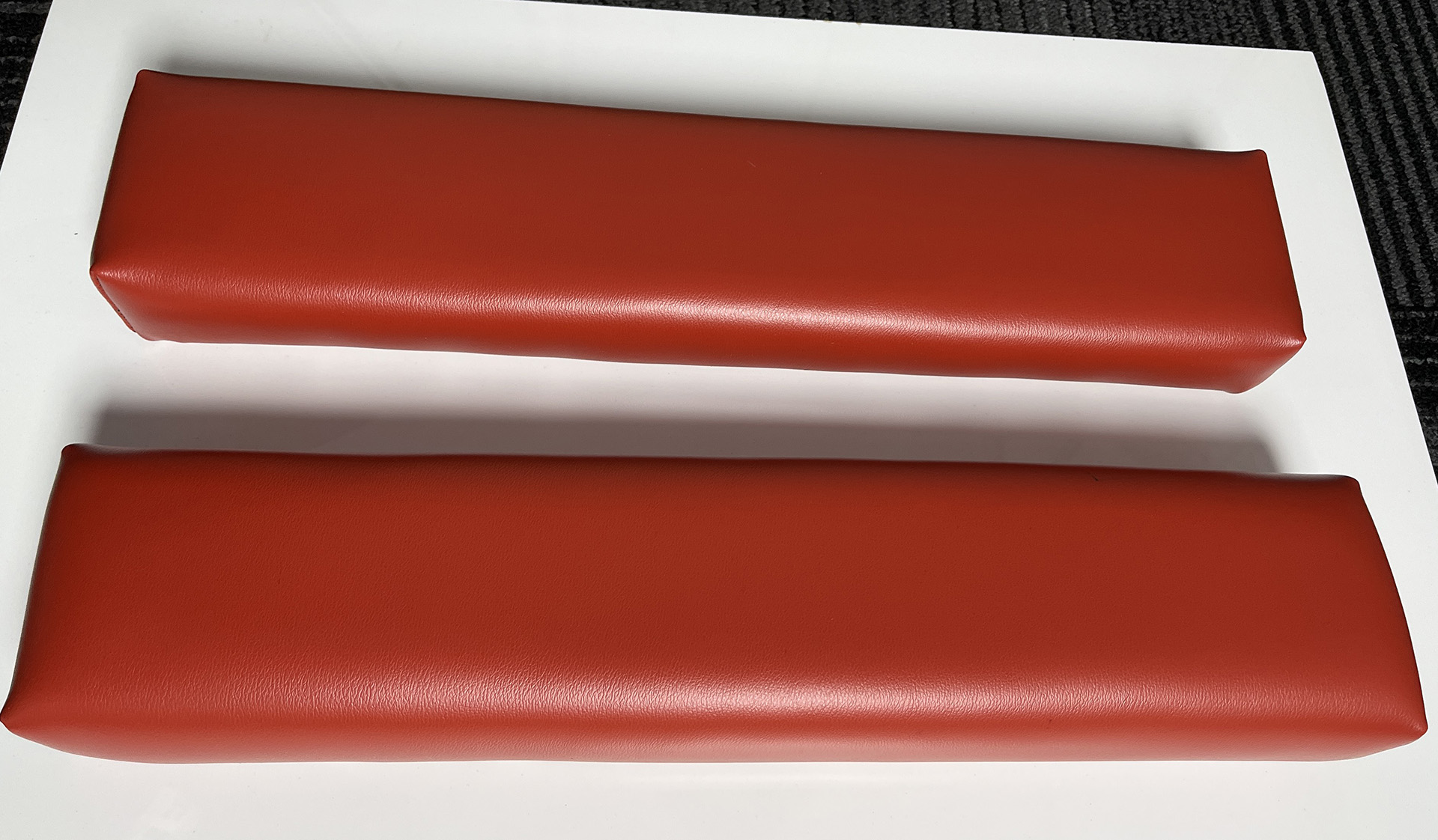
The 2×4 board is a deceptively simple tool that challenges balance and ankle stability. Often used alongside the Foot and Toe Correctors, this upholstered board forces the body to organise itself vertically. The practitioner must develop precise control through the feet and ankles in order to maintain balance. It is a powerful reminder that posture begins at the ground level of the body.
Precision for the Hands and Upper Limbs
The Hand Tensometer
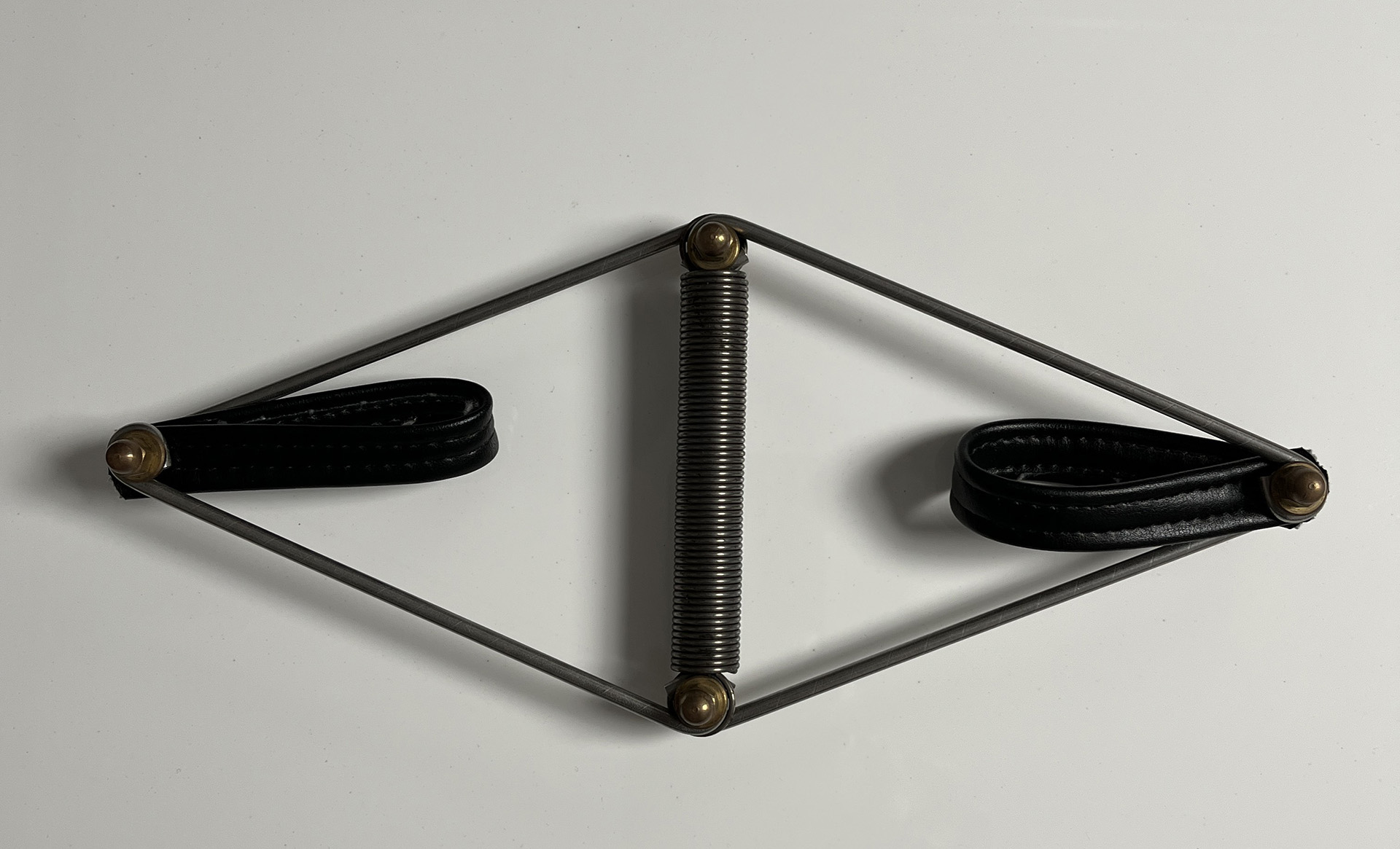
The Hand Tensometer is designed to develop grip strength, dexterity, and sensory awareness in the hands and fingers. Unlike the Toe Corrector, which compresses inward, the Hand Tensometer works by drawing loops together against resistance. This encourages the practitioner to connect the strength developed in the fingers and hands back into the larger muscular chains of the body. In Pilates, even the smallest muscle engagement is linked to core stability and full-body coordination.
The Beanbag
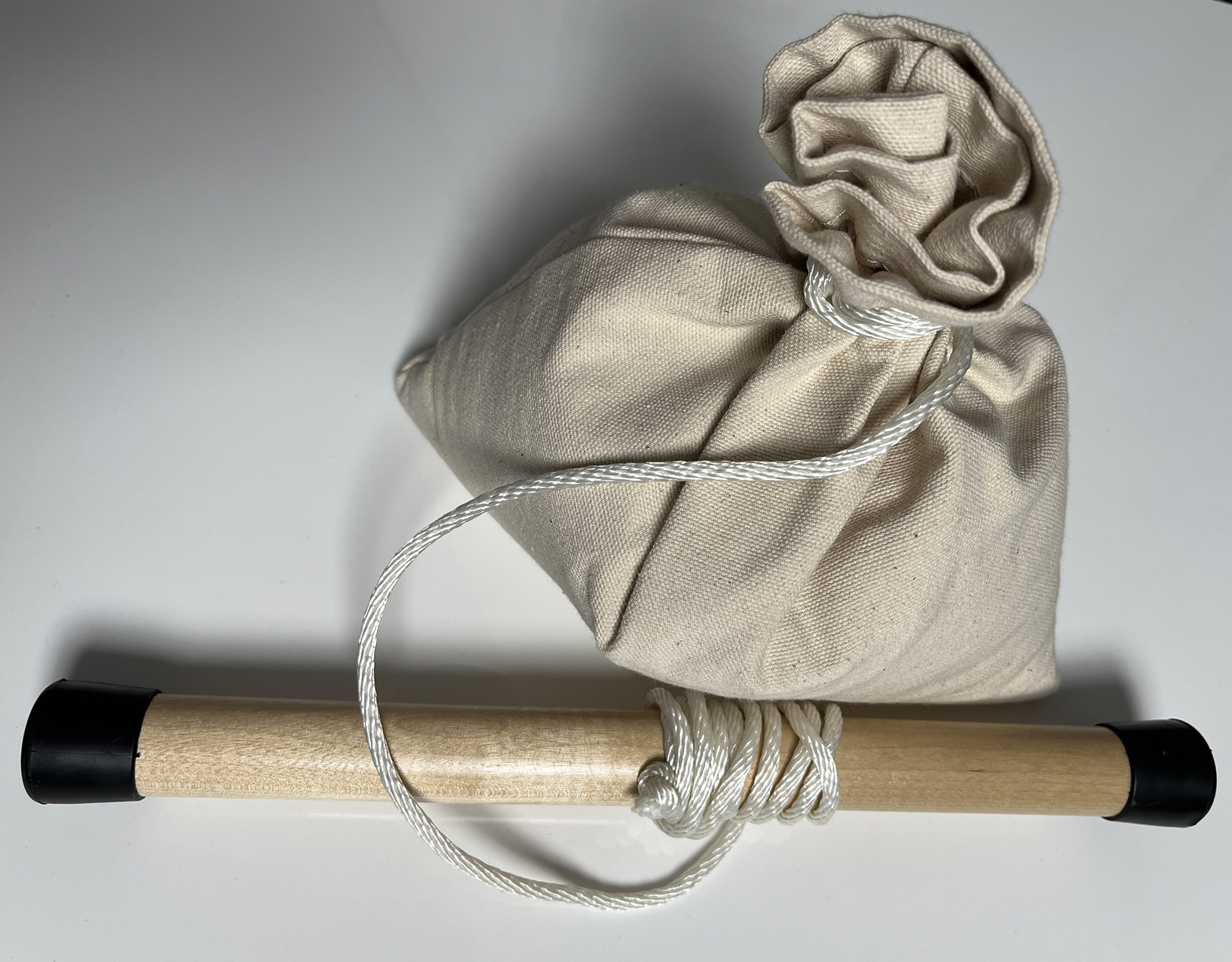
Though modest in appearance, the Beanbag is a sophisticated tool for developing upper-limb precision. It consists of a small weighted pouch attached to a wooden dowel by a long cord. The practitioner stands upright and slowly rolls the weight upward and downward using extended arms. This exercise strengthens the fingers, wrists, and forearms while demanding perfect postural stability. The shifting tension created by the weight challenges the nervous system to maintain vertical alignment, reinforcing the connection between the upper limbs and the body's central support.
The Magic Circle: Precision Through Resistance
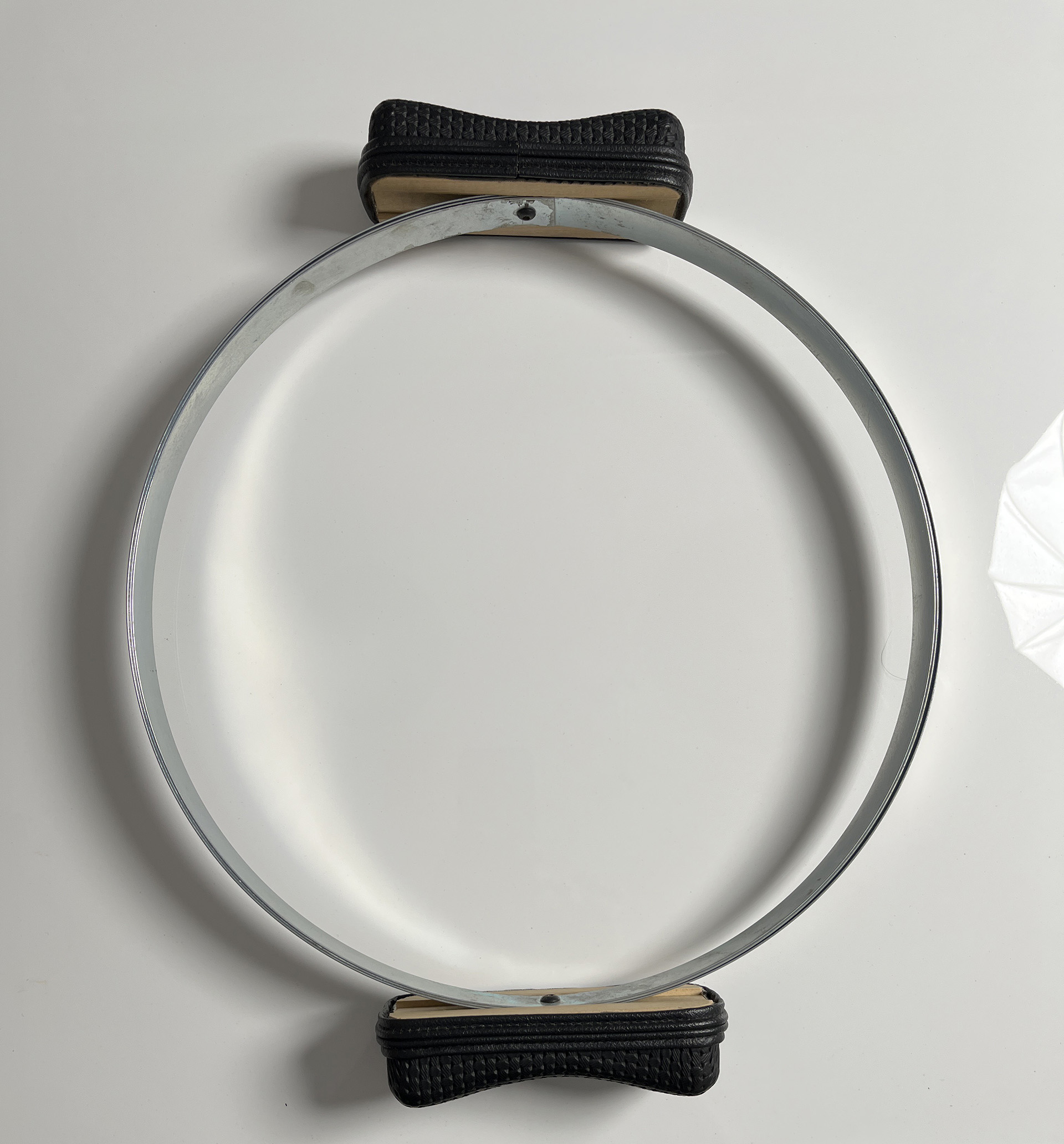
Perhaps the most recognizable piece of small apparatus in the Pilates studio is the Magic Circle. According to Pilates lore, Joseph Pilates originally created the device by repurposing the metal rings from beer barrels. Despite its simple appearance, the Magic Circle is a remarkably sophisticated training tool. The circle provides gentle but consistent resistance, allowing practitioners to engage muscles that are often difficult to activate consciously. By squeezing or resisting the ring with the hands, arms, or legs, the body learns to coordinate muscular effort across multiple regions simultaneously.
What makes the Magic Circle particularly valuable is its ability to reveal asymmetries. Even a small difference in strength between the right and left side becomes immediately noticeable when resistance is applied through the ring. Rather than simply increasing intensity, the Magic Circle refines precision and awareness, making it an ideal instrument for developing balanced, integrated movement.
Tools for Balance and Vertical Integration
The Ped-O-Pul
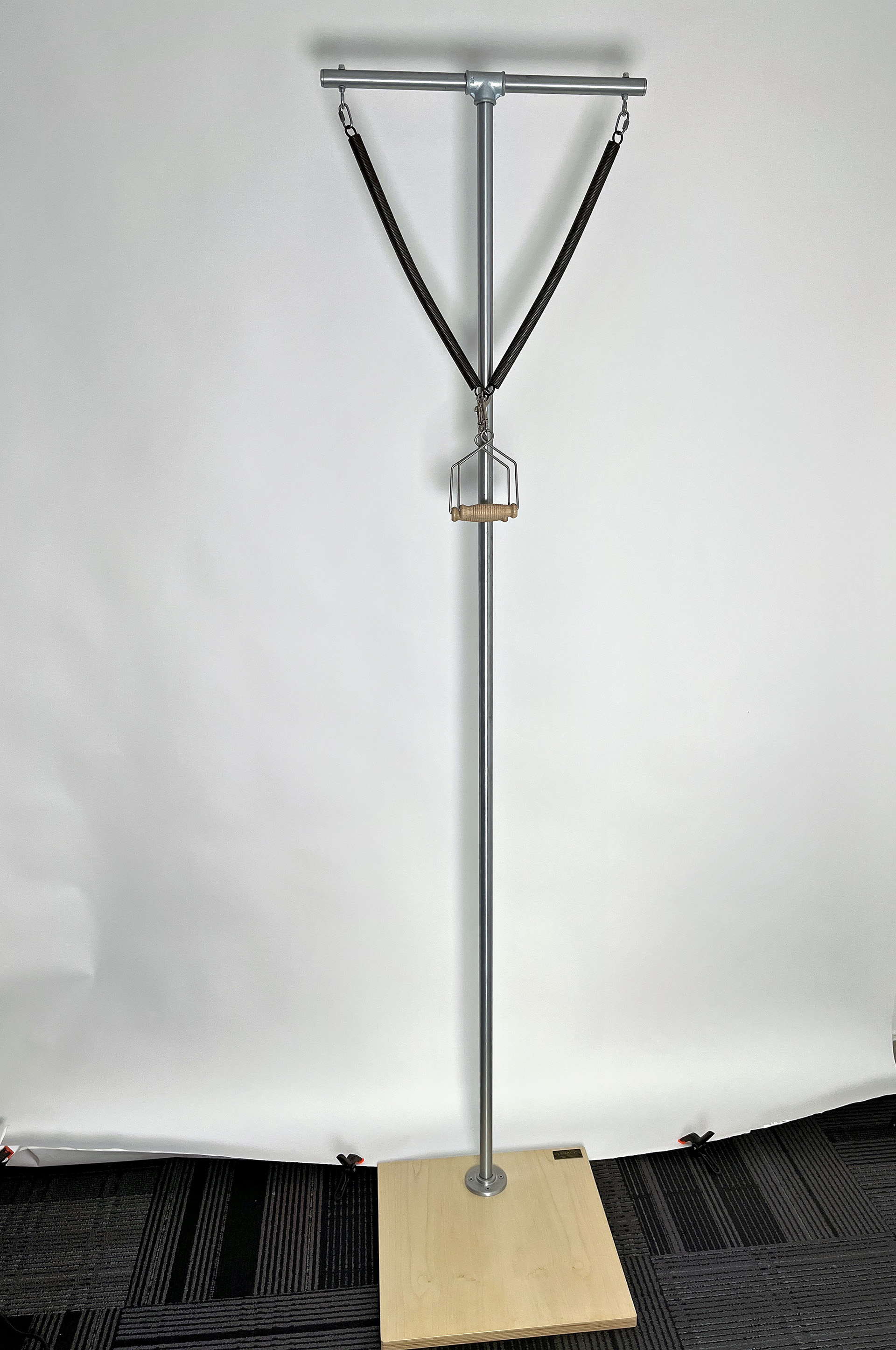
The Ped-O-Pul is one of the most demanding standing apparatus in the Pilates studio. Because the apparatus is intentionally unstable, it forces the practitioner to find balance through the body itself rather than relying on external support. Exercises performed on the Ped-O-Pul require postural control, core integration, and upper-body coordination. For athletes and advanced practitioners, it becomes a powerful tool for developing balance and functional strength in a fully upright position.
The Posture and Poise Apparatus
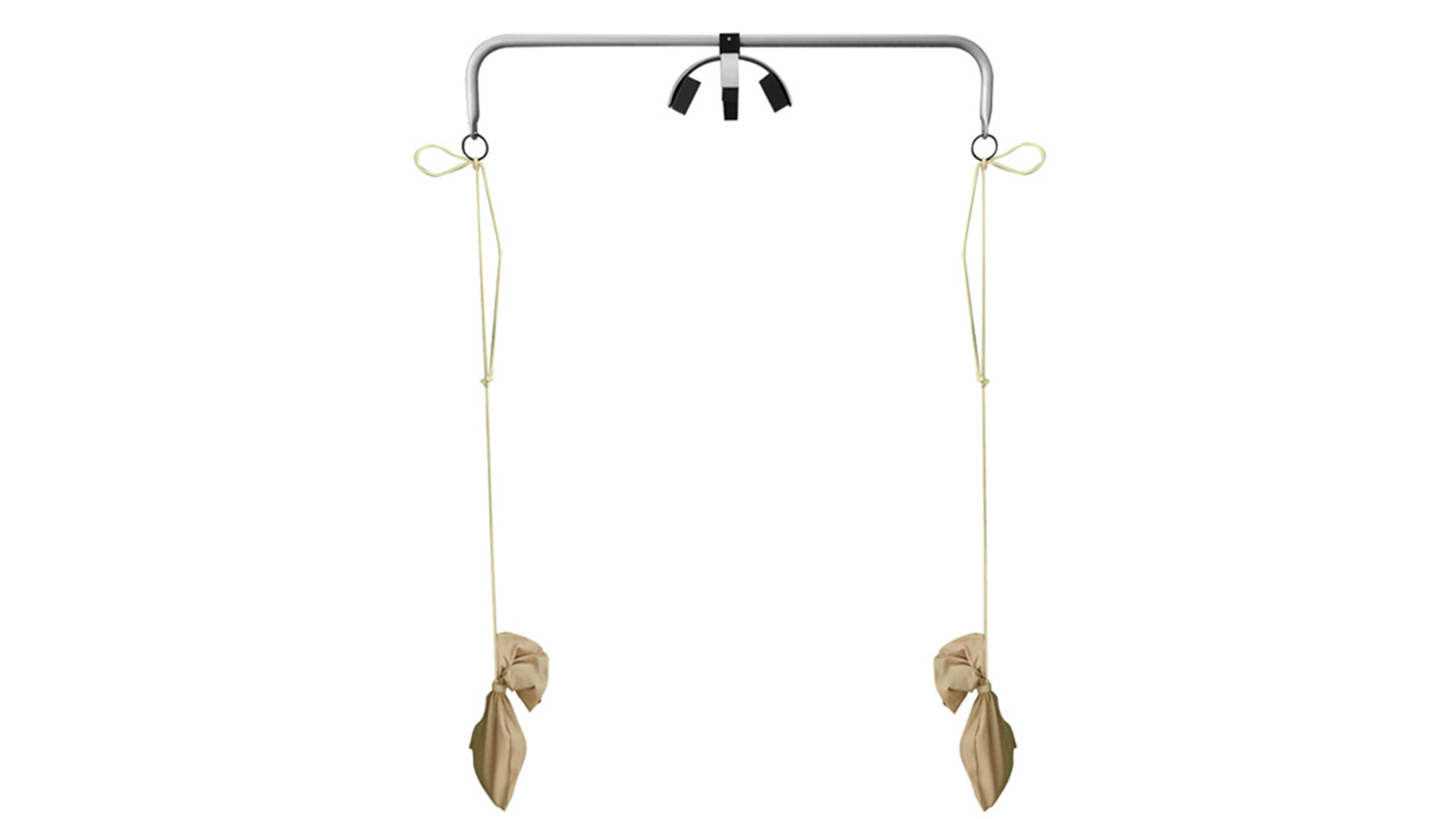
This traditional apparatus was created by Joseph Pilates to refine posture and balance. Often used by dancers and performers, it helps practitioners develop upright alignment and graceful control through the entire body. Its purpose is simple but profound: to cultivate structural poise and balanced movement.
Tools for Breath and Neurological Control
The Breath-A-Cizer
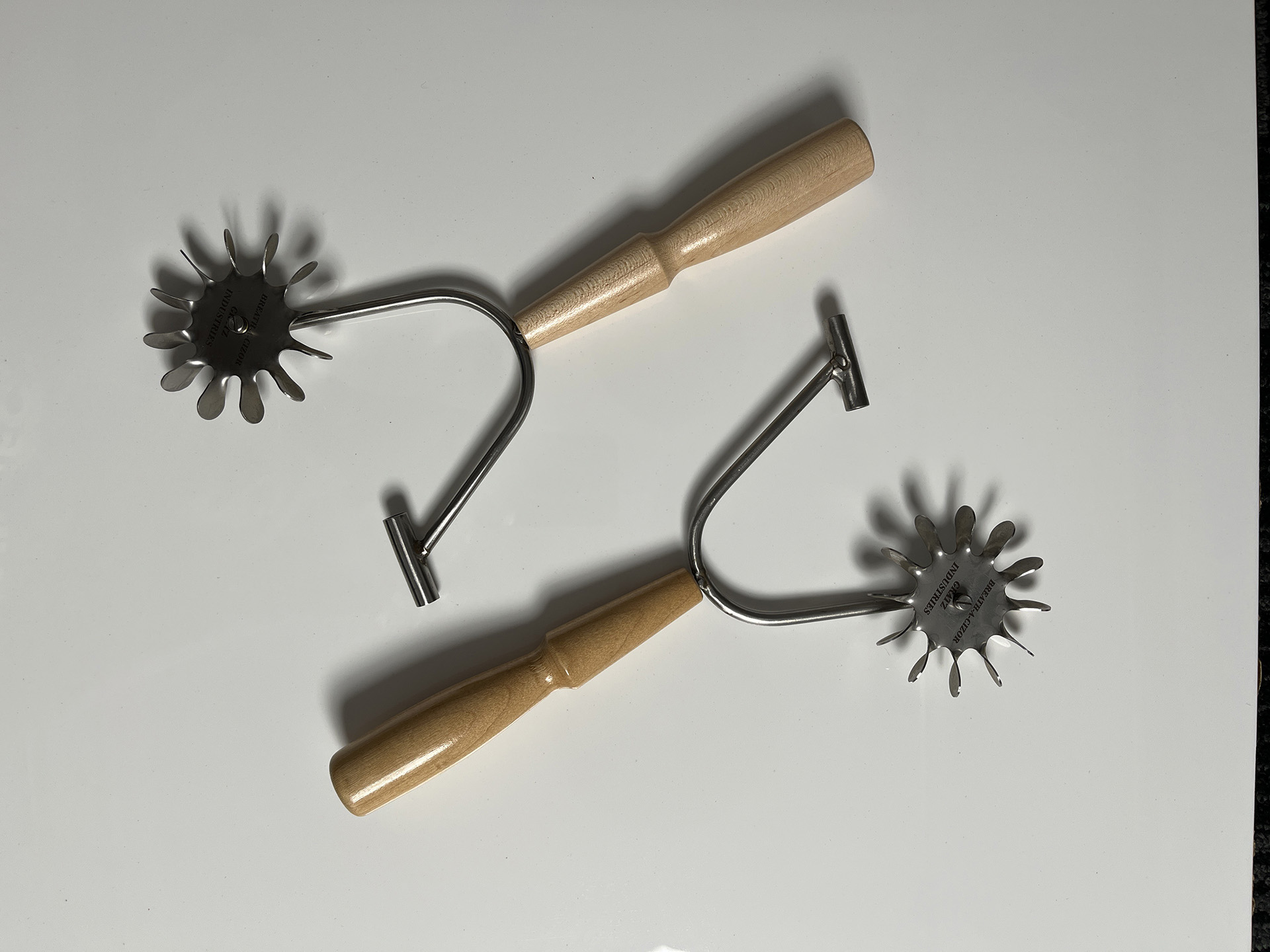
Pilates begins and ends with the breath. The Breath-A-Cizer is a metallic pinwheel device designed to improve the efficiency and duration of the exhalation. By encouraging deeper and more controlled breathing patterns, it helps increase lung capacity, improve breathing control, and encourage relaxation and breathing awareness. For athletes, vocalists, and individuals managing stress, this tool can significantly improve breath awareness and respiratory strength.
Cervical and Postural Support
The Neck Stretcher
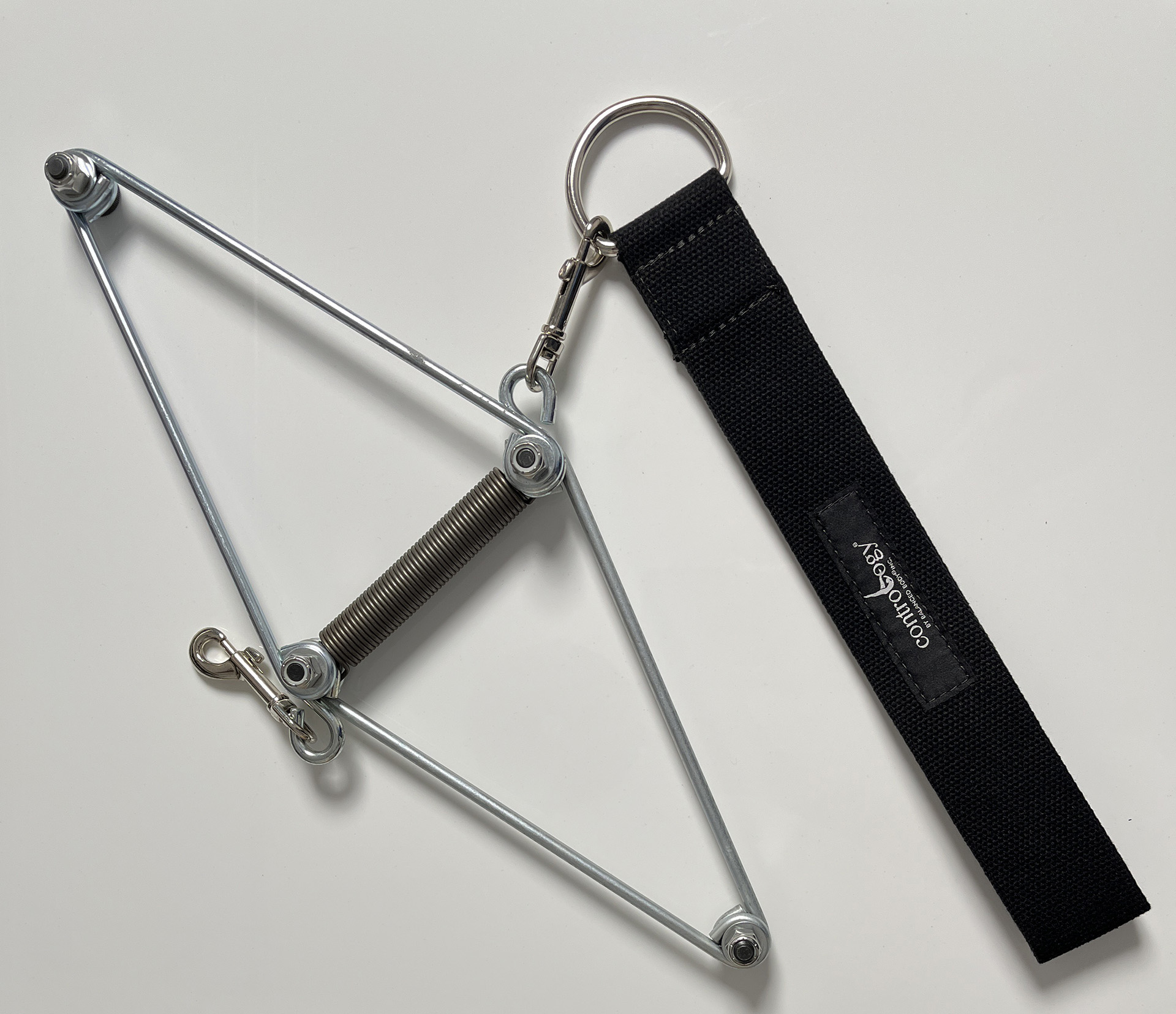
Derived from Joseph Pilates' background in boxing and gymnastics, the Neck Stretcher is a specialized harness used to strengthen the cervical spine. Using spring resistance, the device strengthens the muscles of the neck while encouraging elongation of the cervical vertebrae. In the modern world of constant screen use and forward-head posture, the Neck Stretcher provides a valuable counterbalance to what is commonly called "tech neck."
Structural Accessories in the Studio
Some studio tools exist not to challenge the body directly, but to support alignment and accessibility during exercises.
Neck Pillow
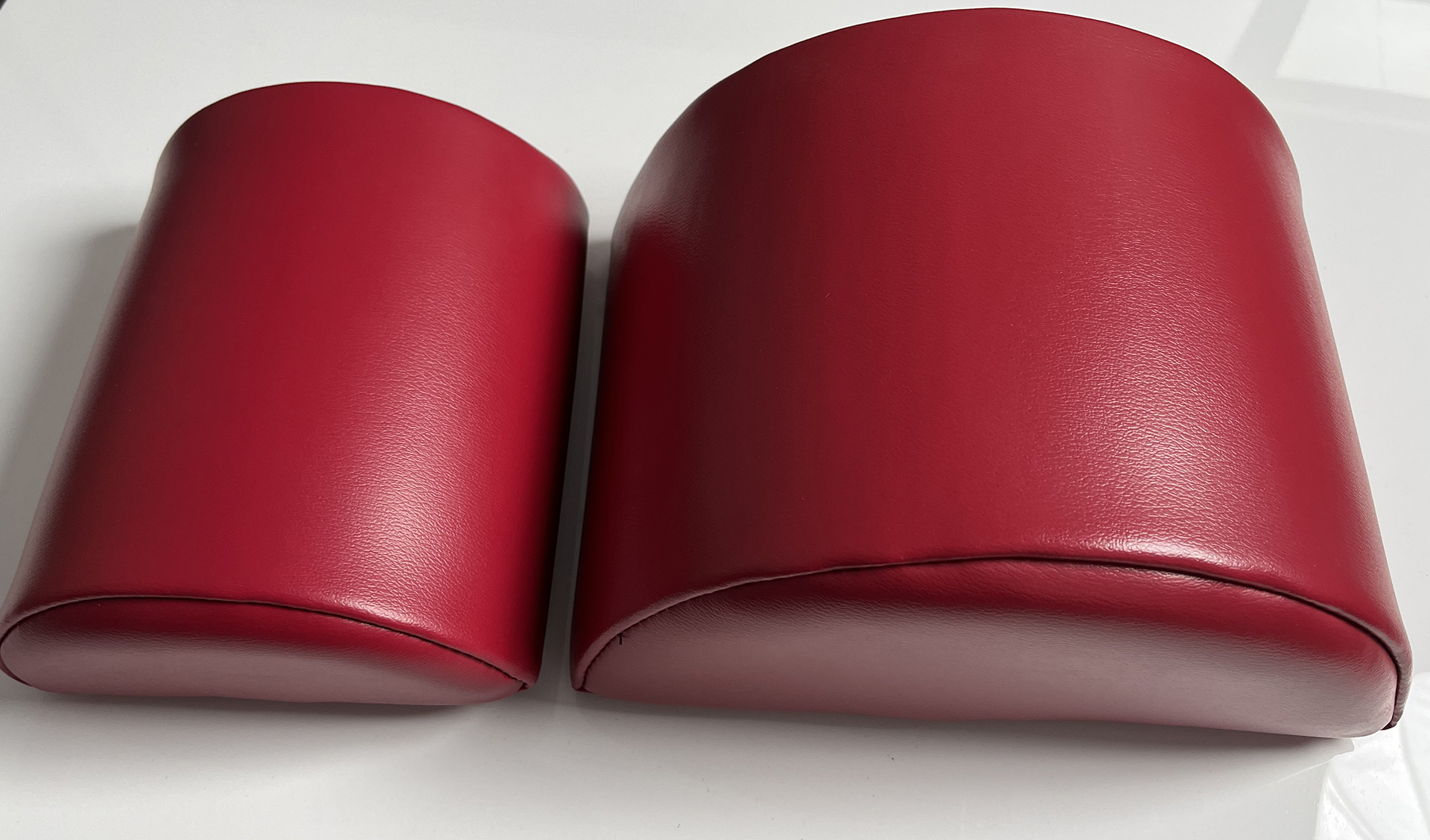
This half-cylinder cushion supports the head during exercises performed in a supine position on the Mat, Reformer, or Cadillac. It helps maintain neutral cervical alignment during abdominal work or spinal articulation.
Head Box Cushions
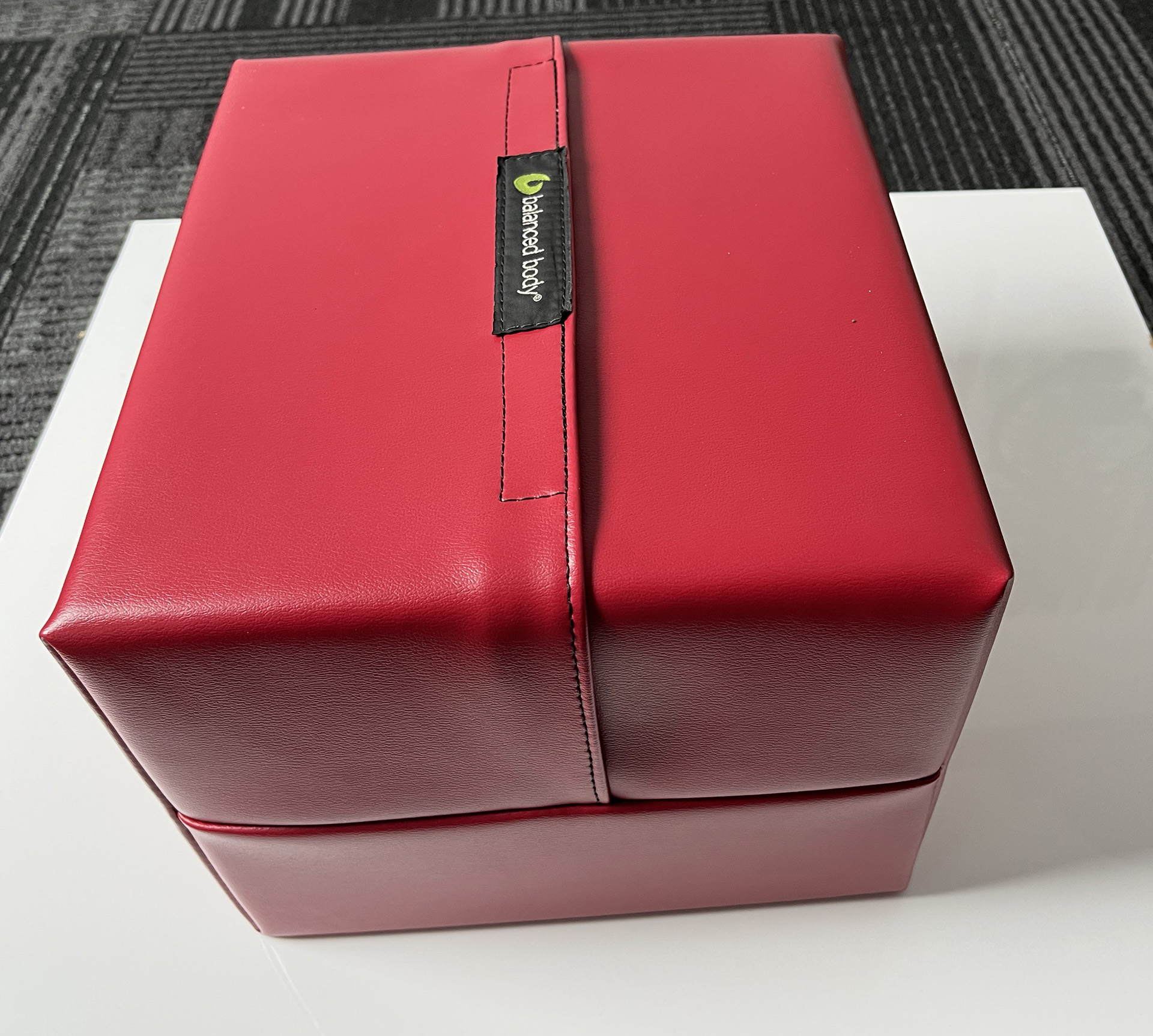
These cushions are used during exercises performed on the Sitting Box, particularly when lying supine for movements such as Teaser and Backstroke. They ensure the head and neck remain comfortably supported during the exercise.
Spacer Box
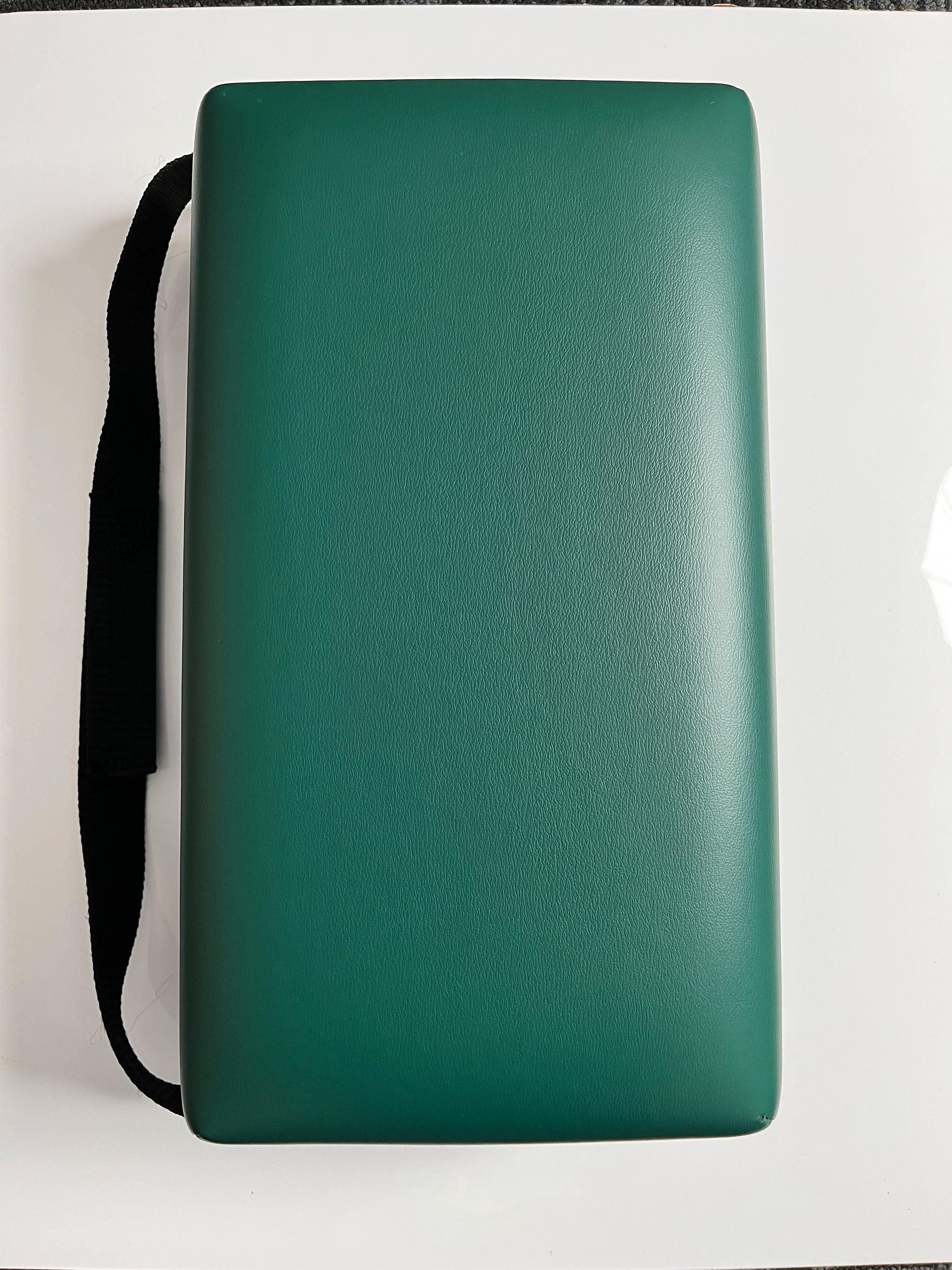
The Spacer Box is designed to help practitioners of shorter stature achieve proper positioning on the Reformer. Placed in front of the shoulder blocks, it allows shorter clients to reach the correct starting position for exercises such as Stomach Massage, Elephant, and Knee Stretches.
Specialty Equipment
The Airplane Board
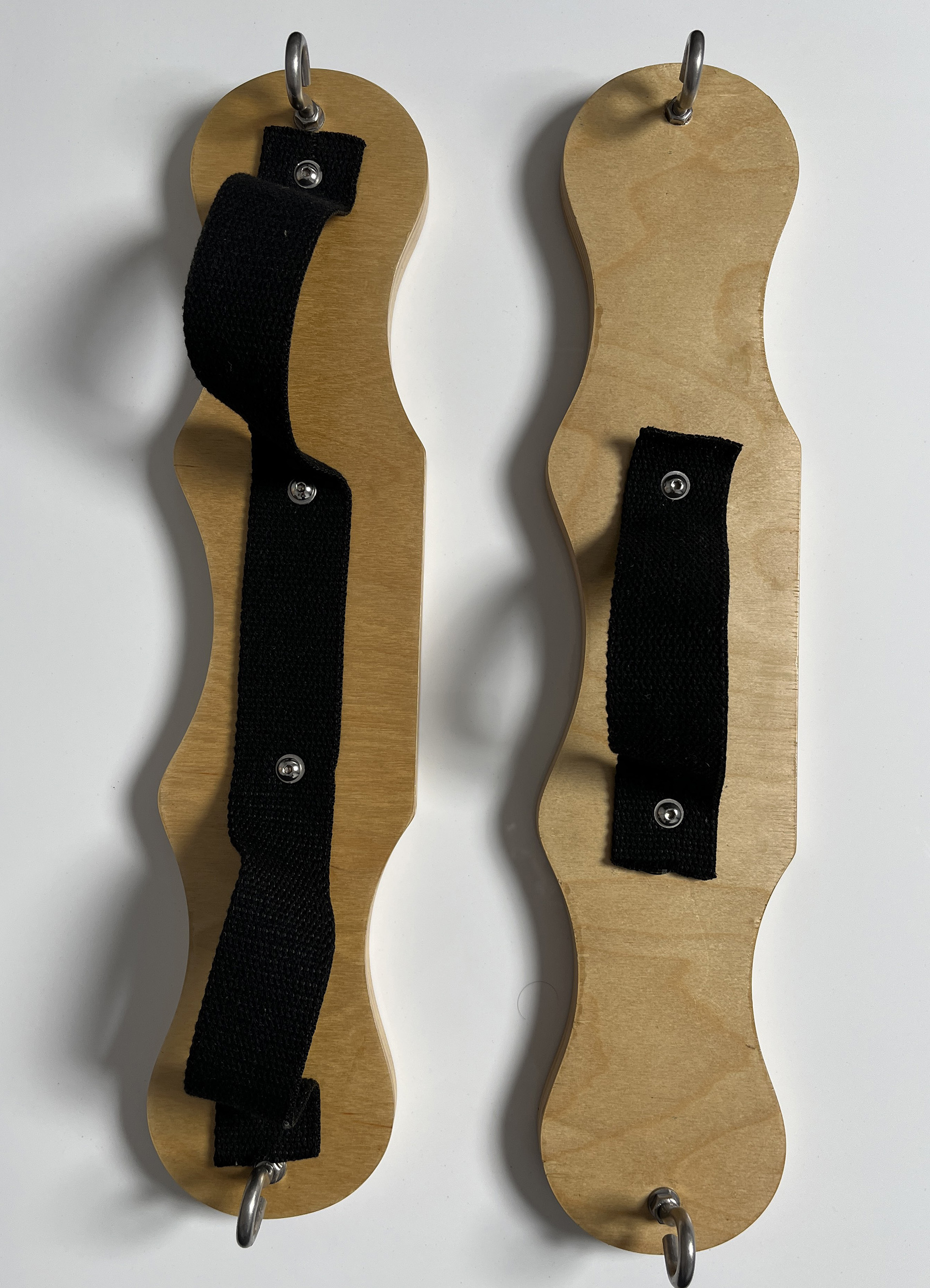
The Airplane Board is typically used with the Cadillac or Tower apparatus. It secures the feet with supportive straps while connecting to the leg springs of the apparatus. This setup allows for dynamic movements that challenge posture, coordination, and leg strength. The well-known Airplane exercise derives its name from this apparatus.
The Kuna Board (Spread Eagle Board)
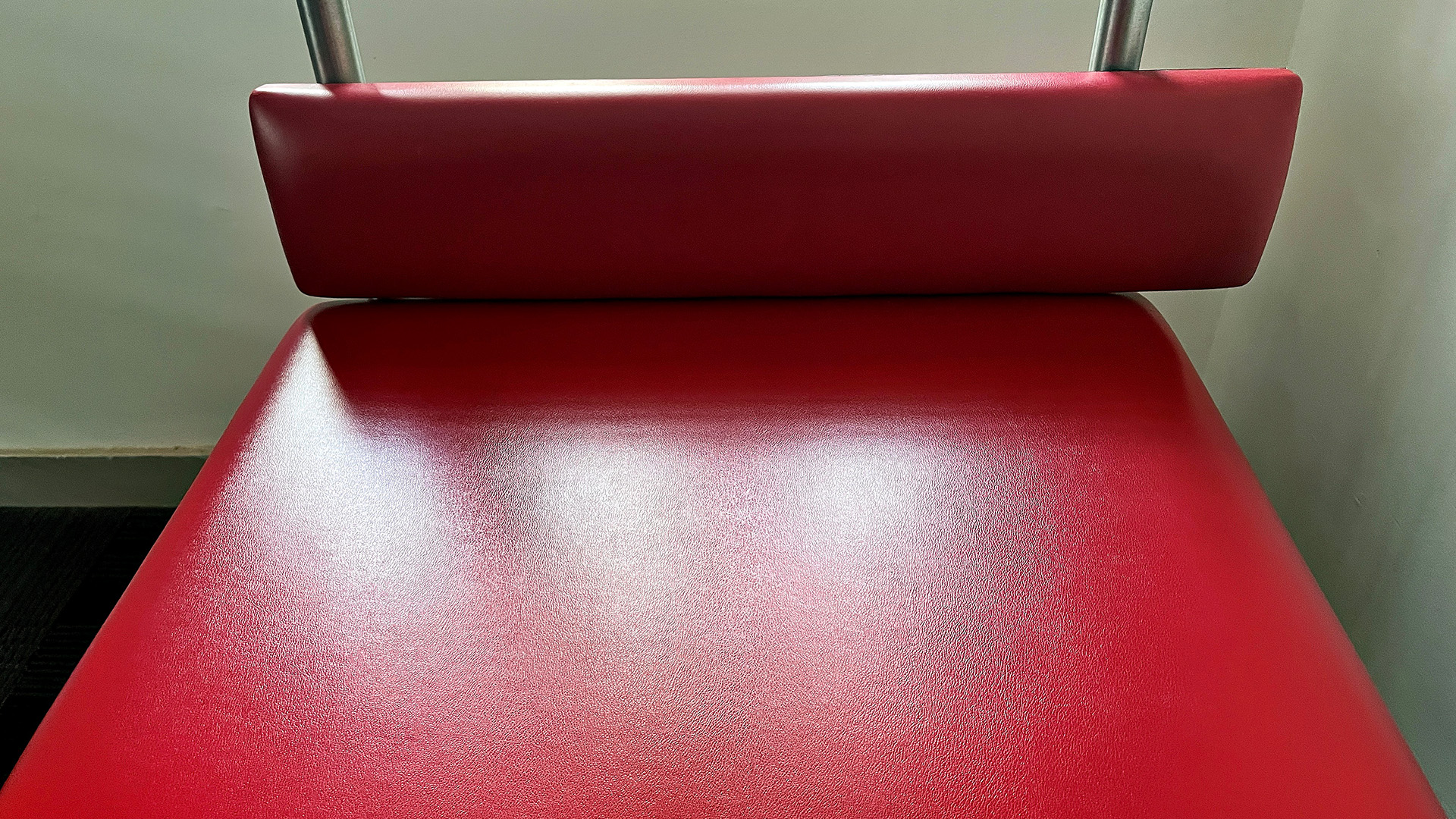
The Kuna Board, also called the Spread Eagle Board, is used primarily on the Cadillac and Tower apparatus. It stabilizes the feet during exercises involving arm springs and upper-body work. By providing a firm base, the board allows practitioners to maintain alignment while developing strength and flexibility.
Precision Through Detail
The smaller apparatus of the Pilates studio reveal Joseph Pilates' remarkable attention to detail. Where the larger apparatus develop strength and coordination, these smaller instruments refine alignment, balance, and sensory awareness. Through them, the practitioner learns that efficient movement is built not only through effort, but through precision.