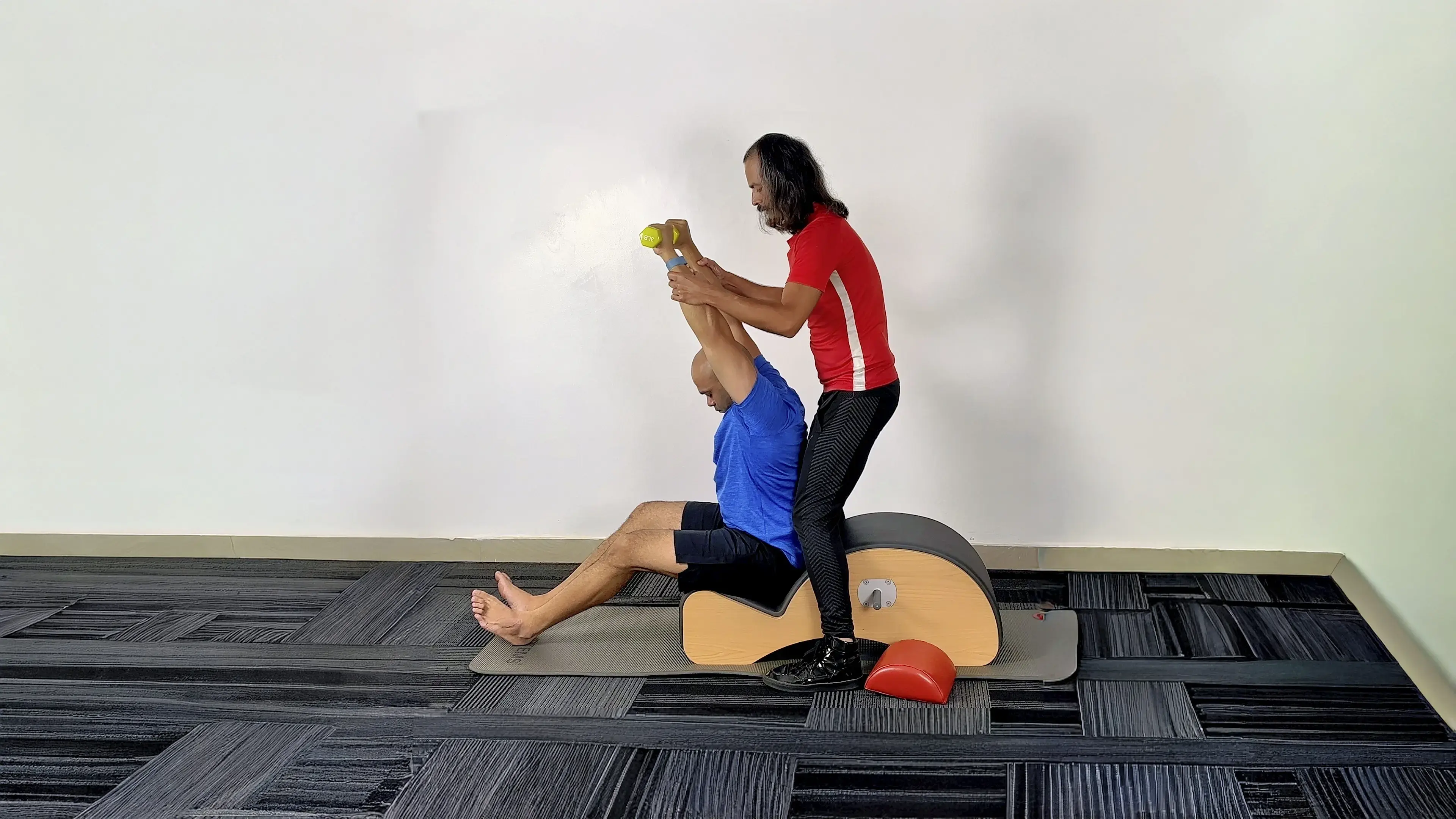
The Architecture of Health: Why Posture Matters in the Pilates Method
Written by Abdul Kalam, Pilates instructor · For educational purposes only; not medical advice.
Many of us grew up hearing the familiar instruction: stand up straight, don't slouch. Although these reminders may have sounded trivial at the time, they reflected an important principle. Posture is not merely about appearance; it is the structural framework through which every movement in the body occurs. In the Pilates system developed by Joseph Pilates, posture is not treated as a static position that must be forced into place. Instead, it is understood as a dynamic expression of coordinated movement.
Understanding Structural Alignment
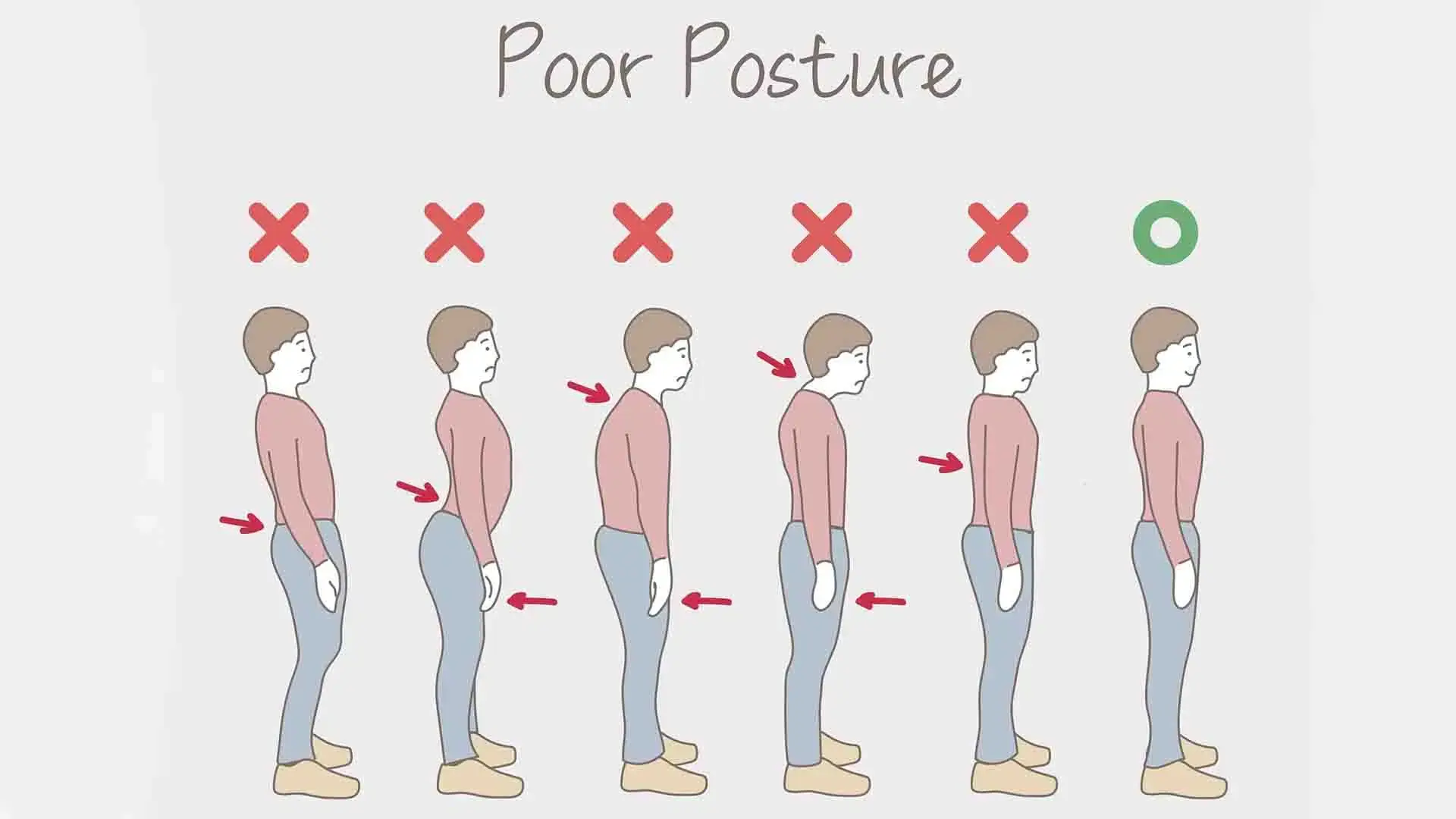
Proper posture reflects the natural architecture of the human body. When viewed from the side, an efficient standing posture aligns the ear, shoulder, hip, knee, and ankle along a vertical line. The spine maintains its three natural curves: a slight forward curve in the cervical spine, a gentle backward curve in the thoracic spine, and a forward curve in the lumbar spine. These curves allow the spine to distribute mechanical forces efficiently while supporting the body against gravity.
Posture is not maintained by bones alone. It is supported by a coordinated network of muscles and connective tissues that stabilize the body while allowing freedom of movement. When these systems lose balance — through prolonged sitting, poor movement habits, or muscular weakness — postural alignment begins to deteriorate.
Why Posture Matters
Posture influences far more than the way we look. It affects how efficiently the body functions as a whole. An upright spine allows the rib cage to expand fully during inhalation — when posture collapses, the diaphragm and intercostal muscles cannot function optimally, often leading to shallow breathing and reduced oxygen exchange. Efficient posture supports deeper breathing patterns that improve energy levels and help regulate the nervous system.
When the body is aligned properly, the forces acting on joints are distributed evenly. Poor alignment places excessive stress on specific joints — over time this can lead to joint irritation, reduced mobility, and chronic pain. Maintaining structural balance allows joints to move smoothly with minimal wear.
Posture also influences the communication between the brain and the body. Efficient alignment allows the nervous system to coordinate movement patterns with greater precision. When the body is poorly aligned, the nervous system must constantly compensate, creating inefficient movement habits.
Posture Is Not Static
One of the most common misconceptions about posture is that it refers only to standing or sitting upright. In reality, posture is constantly evolving. Every time we bend, walk, lift, or reach, our body must reorganise itself in relation to gravity. Posture is not something we simply hold — it is something we maintain dynamically while moving. The true test of posture is not whether someone can stand straight for a moment, but whether they can maintain efficient alignment during everyday movement.
How Pilates Improves Posture
The Pilates system was designed specifically to restore balanced movement patterns throughout the body. Through a structured sequence of exercises, the method develops three key elements that support healthy posture.
Core stability — the deep abdominal muscles, spinal stabilisers, hips, and pelvic floor — forms the central support system of the body. When these muscles function effectively, they stabilise the spine and pelvis, allowing the arms and legs to move freely without destabilising the body. Pilates exercises systematically strengthen this support system, improving postural stability during both exercise and daily life.
Many people are unaware of their own movement habits. Pilates emphasises precise alignment and controlled movement patterns, helping practitioners develop a heightened awareness of how their body moves through space. Over time, this awareness becomes habitual, making it easier to maintain efficient posture naturally rather than through conscious effort.
Restricted muscles and stiff joints can make proper posture difficult to achieve. Pilates integrates stretching with strengthening, improving joint mobility and muscular flexibility so the body can move through its full range without strain.
Posture as a Lifelong Practice
Improving posture is not achieved through a single correction or temporary adjustment. It is the result of consistent practice and mindful movement over time. Through regular training, the body gradually relearns efficient movement patterns. Muscles become stronger, coordination improves, and alignment becomes easier to maintain. In this way, posture evolves from something we must consciously correct into something the body naturally organises on its own.
The Pilates method approaches the body's natural state as one of balanced strength and control. Posture is at the centre of that process — developing structural alignment, efficient breathing, and coordinated movement from the ground up.