Why Pilates Feels Difficult at First: Understanding Neuromuscular Learning
Written by Abdul Kalam, Pilates instructor · For educational purposes only; not medical advice.
Many people are surprised when they experience their first Pilates lesson. The movements may appear simple when observed from the outside, yet performing them often feels unexpectedly challenging. Students sometimes wonder why a movement that looks small requires so much concentration. The reason lies in how the body learns movement.
Movement Is a Skill
Pilates is not only a form of exercise — it is also a process of movement education. Each exercise requires the coordination of several elements at once: controlled breathing, spinal alignment, balanced muscle activation, and coordination between the limbs and the center of the body. For someone new to the method, these elements may not yet be organised efficiently.
The Role of the Nervous System
Behind every movement is the nervous system. The brain must coordinate signals to multiple muscle groups while maintaining balance and alignment. This process is known as neuromuscular coordination. When students begin Pilates, the nervous system is learning unfamiliar patterns. Like any new skill, these patterns require repetition before they become natural.
Why Simple Movements Can Feel Demanding
Pilates exercises often emphasize precision rather than speed or intensity. Instead of relying on momentum, the movements are performed slowly and with control. This exposes weaknesses in coordination that might otherwise remain hidden during faster activities. For many students, this is the first time they have asked their body to move with this level of awareness.
Learning Through Repetition
Neuromuscular learning improves through consistent practice. Each time a movement is repeated with attention, the nervous system refines the coordination required to perform it. Gradually, the body becomes more efficient and the exercises begin to feel smoother and more natural.
The Role of Instruction
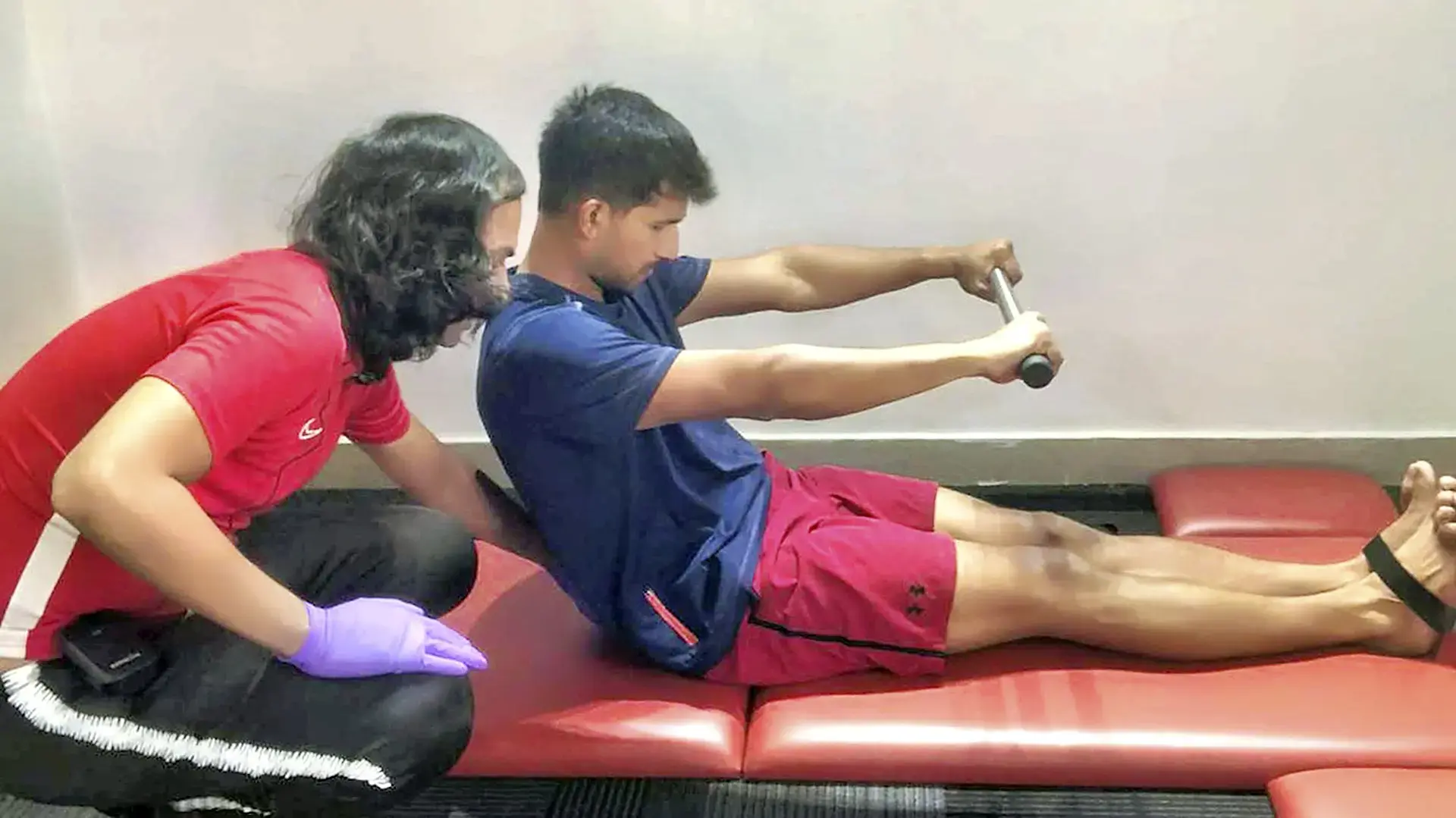
Clear instruction plays an important role during this learning process. Through observation and cueing, the instructor helps the student understand how the body organizes itself during movement. Small adjustments in alignment or breathing can dramatically change how an exercise feels.
Patience in the Learning Process
Because Pilates focuses on coordination and control, progress is often gradual. Early sessions may feel mentally demanding as the body learns unfamiliar patterns. Over time, however, these patterns become easier to recognise and maintain. What once required intense concentration eventually becomes part of the student's natural movement vocabulary.
A Different Kind of Strength
The strength developed through Pilates is not based solely on muscular effort. It is the strength that comes from coordination, balance, and efficient movement patterns. As the nervous system learns to organise the body more effectively, movements become smoother, stronger, and more controlled.
The Long-Term Perspective
For many students, the initial difficulty of Pilates is precisely what makes the method valuable. By asking the body to move with precision and awareness, Pilates helps restore coordination that may have been lost through years of habitual movement patterns. With time and consistent practice, the exercises that once felt difficult often become deeply satisfying to perform.
What once required intense concentration eventually becomes part of the student's natural movement vocabulary.